From a governor’s coffeehouse in 1590s Banja Luka to the poets of Mostar, Sarajevo’s old kafanas and the legend of a coffee-loving pasha, Bosnia’s relationship with coffee is much older, and stranger, than you might think.
Every September 29, the world marks National Coffee Day.
For Bosnia and Herzegovina, though, coffee hardly needs a holiday.
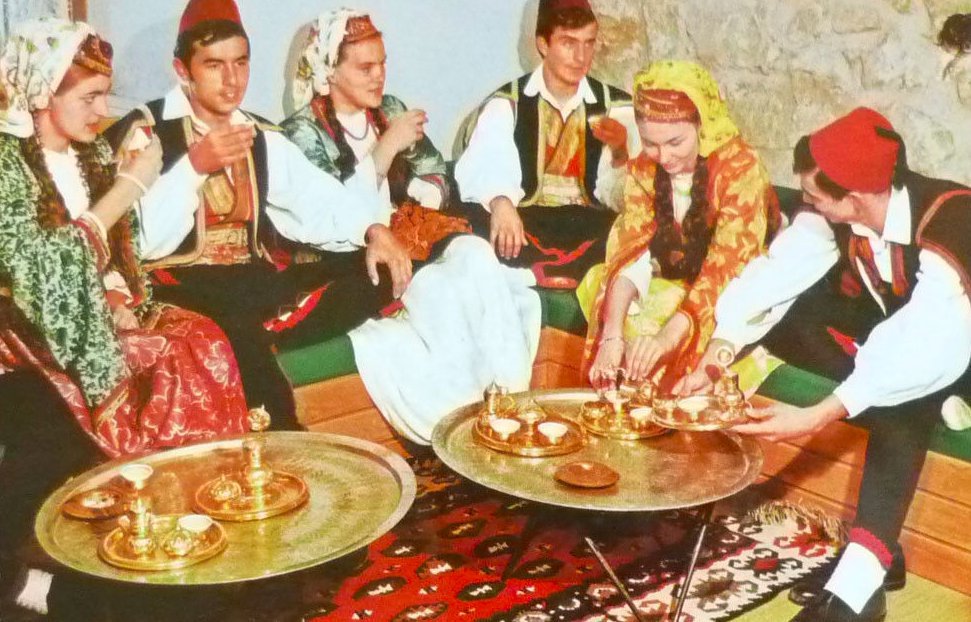
It is difficult to separate coffee from the rhythms of Bosnian life. A džezva placed on the table is rarely simply a delivery system for caffeine. Coffee accompanies a guest, a visit to a neighbor, an argument, a reconciliation, family news, gossip, business and the apparently simple question: Hoćemo li na kafu?
And this is not a recent cultural tradition.
The surviving historical record takes Bosnia’s coffee culture back more than four centuries, to a period when the coffeehouse itself was still a relatively new institution in the Ottoman world.
From Yemen to Bosnia
Coffee’s journey into Bosnia was part of a much larger transformation in the early modern Islamic world.
The widespread drinking of coffee is usually traced to Yemen, where it became particularly associated with Sufi circles. Its ability to keep worshippers awake made it useful during long nights of prayer and zikr.
From Yemen, coffee spread through the Hijaz and Egypt and eventually throughout the Ottoman Empire.
Coffeehouses followed.
By the middle of the sixteenth century, coffeehouses had appeared in Istanbul and quickly became popular gathering places. They created something relatively new in Ottoman urban life: public spaces where people could sit for extended periods, drink coffee, talk, read, play games, exchange news and socialize. Within only a few decades, the institution had reached Bosnia.
A Coffeehouse in Banja Luka, 1591
One of the earliest surviving descriptions of coffeehouse culture in Bosnia dates to around 1591 or 1592. The Ottoman historian Ibrahim Pečevi described a coffeehouse apparently located within the residence of the Bosnian governor in Banja Luka.
It was not a tiny roadside stall.
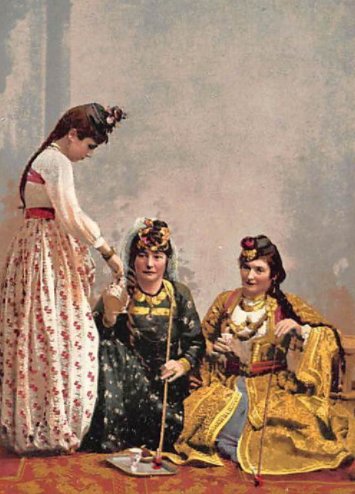
Pečevi described roughly ten sećije, or seating areas, apparently organized according to the rank and status of the people present. Judges, professors, religious figures, local notables and visitors gathered there.
Although it was associated with the governor’s court, it appears to have functioned at least partly as a broader social space. Pečevi also preserved something even more valuable than a simple reference to the building: an actual anecdote from inside.
One day, a prominent man arrived with news that a respected person had experienced a strange dream. The educated men sitting in the coffeehouse immediately began trying to interpret it.
While they were debating what it meant, a passing dervish entered. Naturally, they asked him for his interpretation.
It is an extraordinarily ordinary little scene preserved across more than four centuries: people sitting over coffee, debating the meaning of something, offering opinions and pulling a stranger into the conversation.
Anyone familiar with a Bosnian coffee table may recognize the format.
Hasan Kafi Pruščak Was Not Impressed
Coffeehouses did not arrive without critics.
In 1597, the prominent Bosnian scholar Hasan Kafi Pruščak completed one of his best-known works in Prusac.
Among the social developments he criticized were coffeehouses. He regarded them as an unnecessary innovation and warned about the temptations and distractions associated with them.
His complaint is historically useful precisely because it shows how quickly coffeehouses had become visible in Ottoman society. By the end of the sixteenth century, coffee culture was already established enough to attract moral criticism.
The criticism did not stop it.
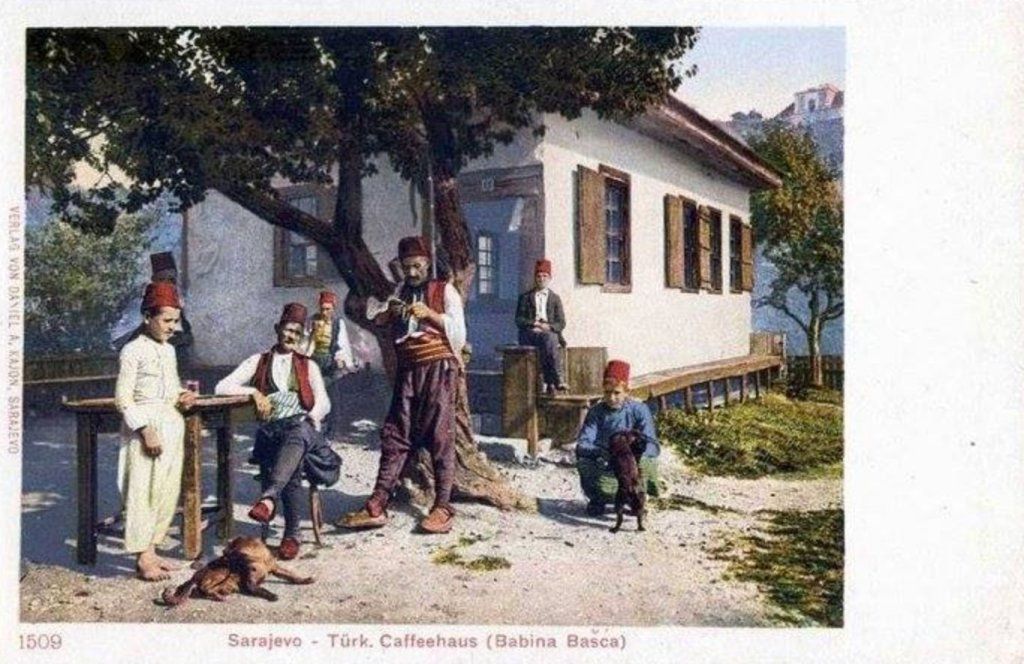
Coffeehouses continued to multiply along major streets, in commercial districts, marketplaces, neighborhoods and hans used by travelers. Over time, many inns and caravan stops included rooms specifically intended for coffee drinking and socializing.
Mostar Was Already Drinking Coffee
At almost exactly the same time, coffee was firmly established in Mostar.
A poem by the Mostar poet Adli Čelebi provides evidence of a coffeehouse there around 1591 or 1592. His verse mentions a man named Muhakkik who apparently spent enough time in the coffeehouse to become material for a joke.
In other words, the familiar character permanently occupying his usual table at the local kafana already existed in Mostar more than four hundred years ago.
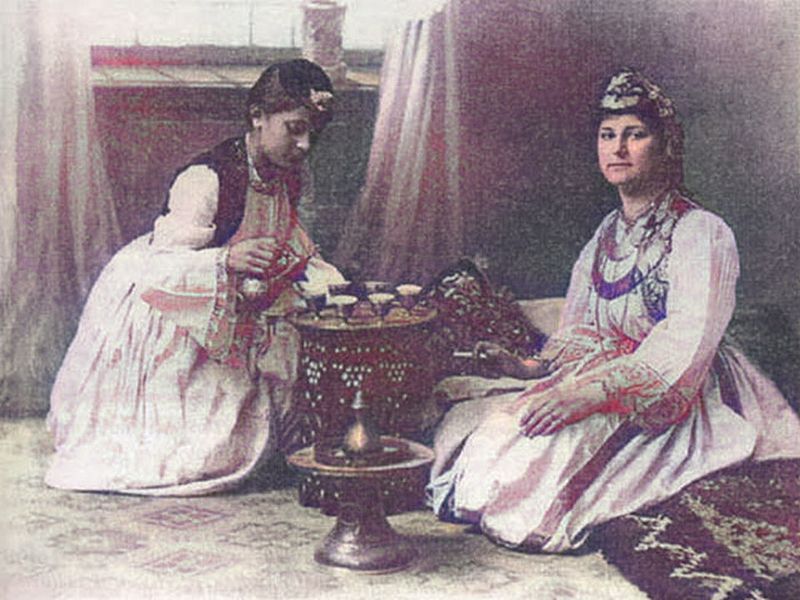
Then, in 1604 or 1605, the prominent Mostar benefactor Ibrahim-aga Šarić opened a new coffeehouse. Its opening was important enough to be commemorated in poetry.
One surviving poem described it as a beautiful gathering place associated with refinement, knowledge and good company. The coffeehouse seems to have functioned as much more than a place for grabbing a quick drink.
Ibrahim-aga associated with scholars, poets and religious figures, and his establishment became connected with Mostar’s intellectual and literary life.
In July 1622, a Mostar scholar recorded that he copied Sa’di’s famous Gulistan while sitting inside a coffeehouse. A Bosnian kafana was already functioning as a literary workspace four centuries ago.
Sarajevo: Coffee, Poetry and a View Over the Water
Sarajevo soon provides its own documentary evidence.
A surviving poem by the Sarajevo-born Ottoman poet Muhamed Nerkesi commemorates the construction of a coffeehouse in Sarajevo in 1623 or 1624.
The poem describes it as a gathering place for prominent residents of the city.
Other poets wrote about Sarajevo’s coffeehouses as places where learning, conversation and leisure came together. Coffee itself was praised in verse.
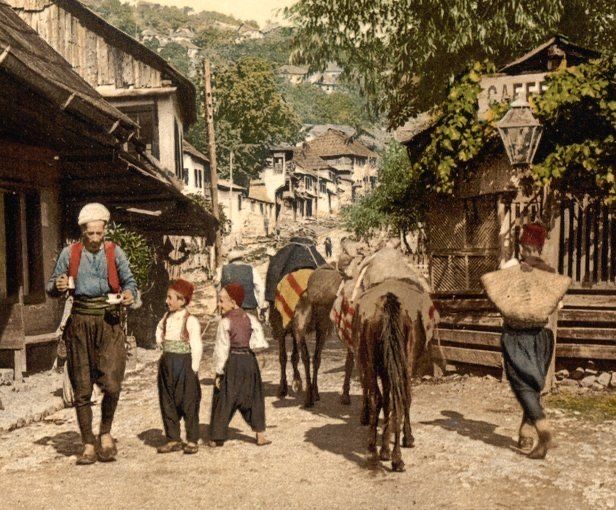
This matters because it complicates the modern tendency to think of the kafana simply as a place for relaxation.
Historically, the coffeehouse could function as a literary salon, informal school, political forum, news exchange, storytelling venue and entertainment hall all at once. Some became famous because of their settings.
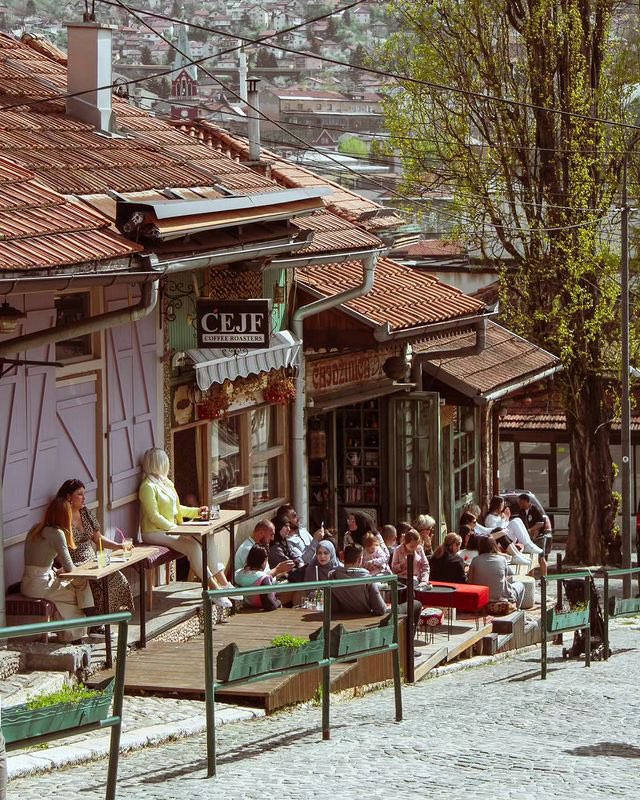
By the nineteenth century, observers noted that Bosnian coffeehouses were often built beside streams and rivers, or positioned on terraces to take advantage of scenic views. Sarajevo’s Bentbaša became one of the most celebrated examples.
A coffeehouse overlooking the Miljacka offered not just coffee, but an experience.
The setting mattered. So did the quality of the drink.
Nineteenth-century observers repeatedly commented that even modest Bosnian coffeehouses could serve remarkably good coffee.
When 50 to 60 Sarajevo Kafanas Disappeared
By the eighteenth century, coffeehouses were not merely established in Sarajevo.
They were everywhere. In 1788, a devastating fire swept through much of the city. Sarajevo chronicler Mula Mustafa Bašeskija recorded that somewhere between 50 and 60 coffeehouses were destroyed. Think about what that number means.
Losing dozens of specialized coffee establishments in a single fire suggests how deeply the coffeehouse had already become embedded in Sarajevo’s economy and social geography.
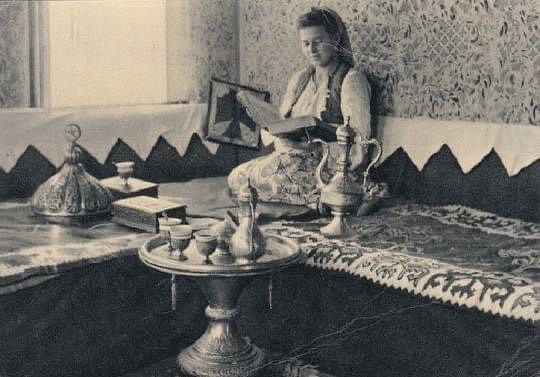
These establishments were not exotic novelties. They were part of the everyday fabric of the city. By the end of the nineteenth century, some observers remarked that coffeehouses seemed almost impossibly numerous across Bosnia and Herzegovina.
The precise numbers are difficult to establish, but the broader impression is unmistakable. Coffee had become part of ordinary Bosnian urban life.
Bosnia’s Original Coffee Delivery Network
One of the best stories from old Bosnian coffee culture comes from the relationship between kafanas and nearby merchants.
A shopkeeper could not simply close his store every time he wanted coffee. So, in some places, merchants developed a remarkably clever system.
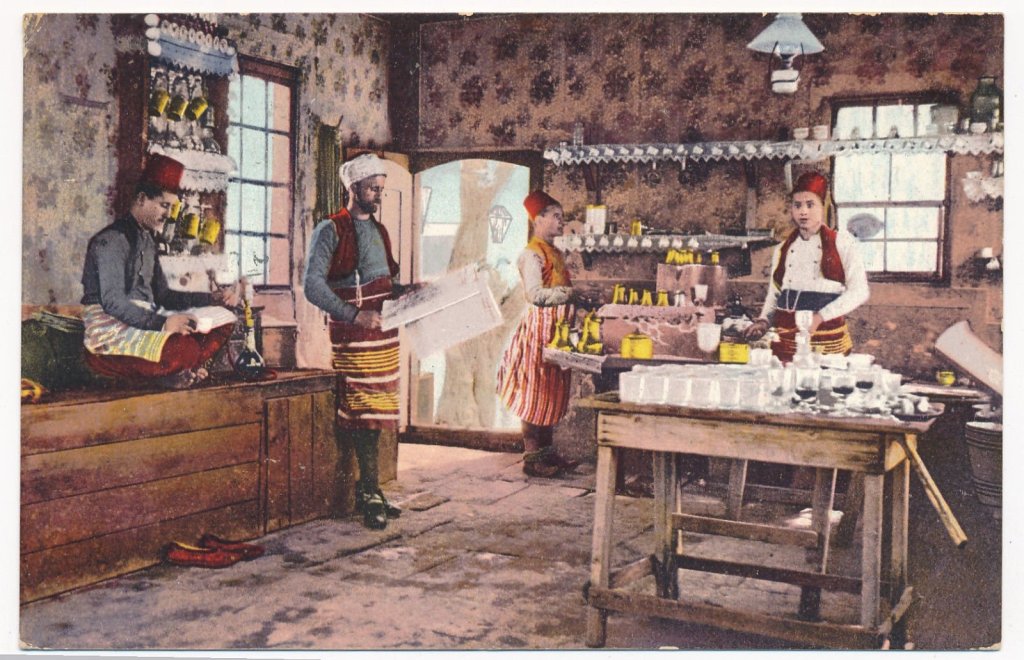
A cord connected the shop directly with the nearby coffeehouse. When the merchant wanted coffee, he pulled the cord. A bell rang inside the kafana.
The kahvedžija learned which bell corresponded to which customer and carried the coffee to the correct shop.
Contemporary observers joked that the web of cords stretching between shops and coffeehouses looked like a kind of telephone network. Long before smartphone notifications and food delivery apps, Bosnian craftsmen had apparently solved coffee delivery.
The Kafana Was Also a Reading Room
Bosnian coffeehouses distributed much more than coffee.
The historian Hamdija Kreševljaković later described old kafanas where guslari performed during the winter months.
Patrons gathered to hear epic songs, stories, riddles and folk tales. Travelers and merchants recounted what they had seen in distant places. Men who knew Arabic, Ottoman Turkish or Persian sometimes read or translated stories for others.
Musicians played the saz and other instruments. News spread through coffeehouses. So did rumor. So did literature.
A person who could not read could still hear stories, poems, current events and accounts of faraway places simply by sitting among other patrons.
Kreševljaković even compared the old coffeehouse to a reading room.
Stories heard there were carried back into family homes and retold, sometimes surviving orally for generations before folklorists ever wrote them down. The kafana was part café, part social network, part newspaper, part library and part theater.
Hasan Paša Tiro: Bosnia’s Legendary Coffee Addict?
No history of Bosnian coffee would be complete without Hasan Paša Tiro, better known in Ottoman history as Tiryaki Hasan Paşa.
He was anything but an obscure character.
Hasan Paşa spent much of his career on the Ottoman-Habsburg frontier and served in several important military and administrative positions.
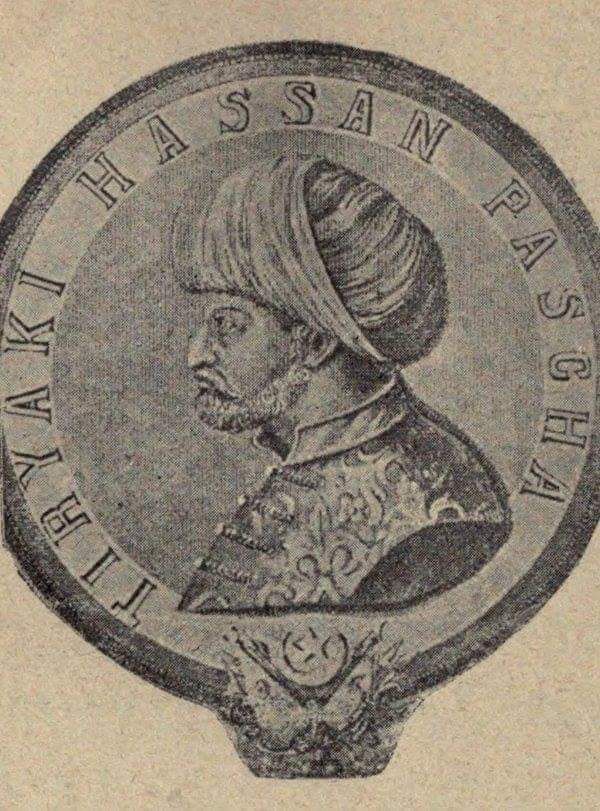
In 1597, he became the governor of Bosnia. He later became especially famous for his role in the defense of Kanije in 1601 during the Long Turkish War.
His reputation as a clever and determined military commander became legendary.
Then there is his nickname.
“Tiryaki” can refer to someone intensely devoted or addicted to something. A long-standing popular tradition says Hasan Paşa received the nickname because of his extraordinary fondness for coffee.
In later retellings, he effectively becomes history’s coffee-addicted pasha.
There is, however, a problem with the story. The nickname is historically documented, but the explanation connecting it specifically to coffee is much harder to establish from the earliest sources.
Later writers repeated it frequently, but authoritative biographies do not always explain where the nickname originated.
So was one of Bosnia’s governors really so obsessed with coffee that history remembered him as “the addict”?
Possibly.
It is a wonderful story, and certainly appropriate for National Coffee Day.
But it belongs more safely in the category of historical tradition than proven biography.
A Culture That Survived Empires
The Ottoman Empire disappeared. Austria-Hungary came and went. Yugoslavia was created, transformed and eventually dissolved. Wars changed Bosnia’s cities.
Generations emigrated around the world. Coffee remained.
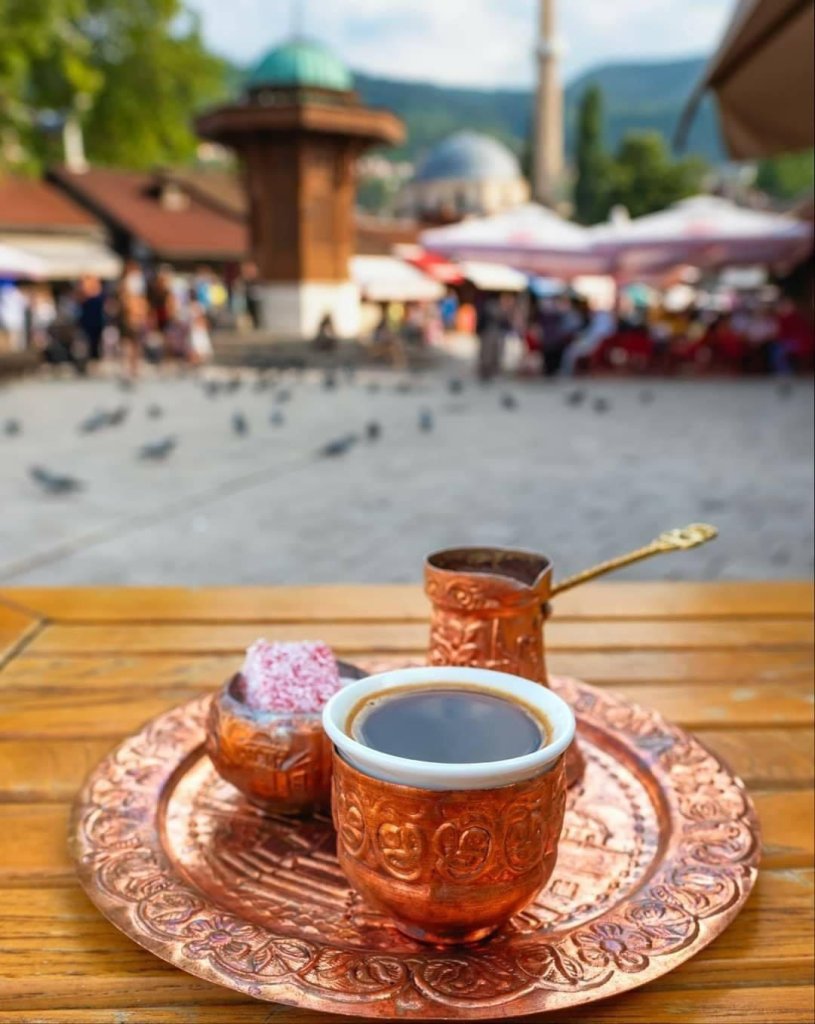
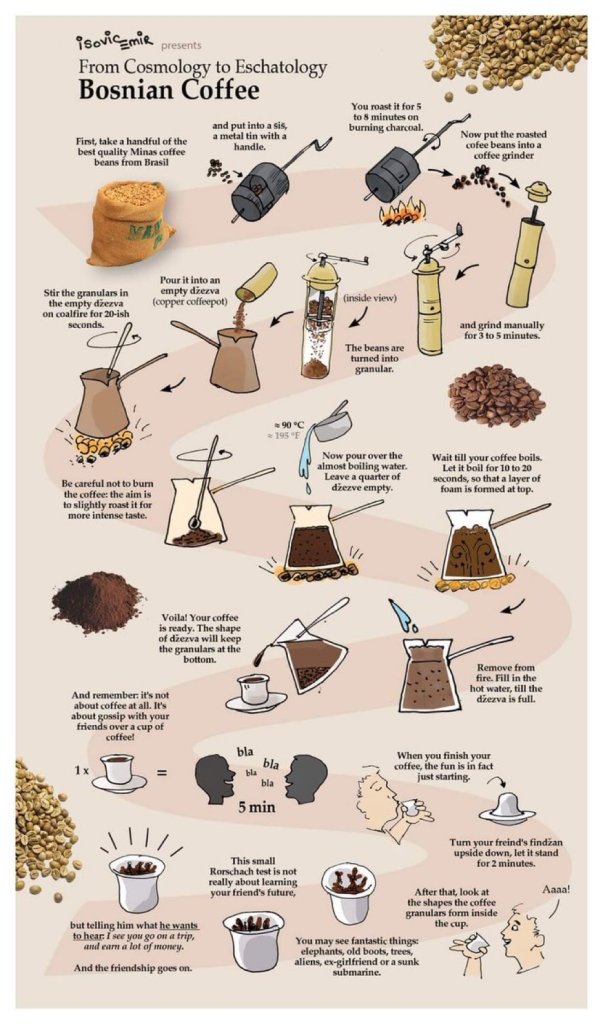
Its form evolved, but many recognizable elements survived. Finely ground coffee is prepared in a džezva and served in small cups or fildžani.
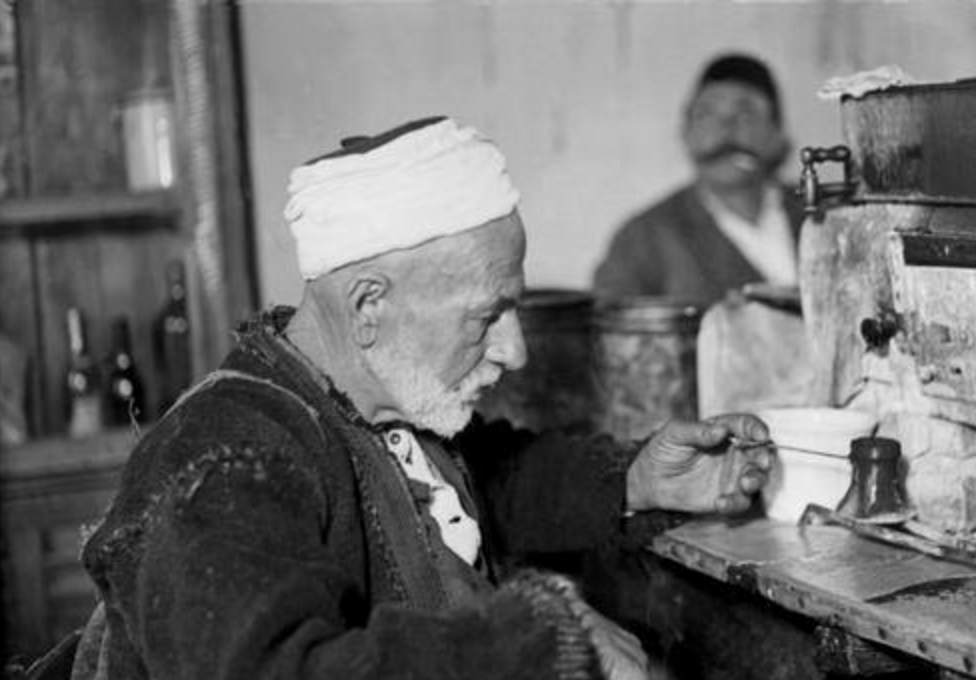
The foam matters.
The process matters.
The serving matters.
Most importantly, the time spent drinking it matters.
Coffee in Bosnia has rarely been understood as something that needs to be consumed as quickly as possible.
A cup creates an excuse to sit. A second cup creates permission to stay.
Bosnia Still Drinks an Extraordinary Amount of Coffee
Modern statistics suggest that the centuries-old habit remains very much alive. International consumption data regularly place Bosnia and Herzegovina among the countries with some of the highest per-capita coffee consumption in the world.
One recent dataset estimated consumption at roughly 14 kilograms per person annually, placing Bosnia near the very top globally.
Different organizations calculate coffee consumption in different ways, so individual rankings vary from one dataset to another. But the broader conclusion is difficult to dispute. Bosnia drinks a remarkable amount of coffee.
Yet kilograms per person still fail to explain what coffee actually means. Because in Bosnia, coffee is not simply caffeine. It is the visitor who was only supposed to stay for ten minutes.
It is the neighbor who stops by. It is the relative who arrives unexpectedly. It is the conversation that begins with politics, moves to family, turns into history and somehow lasts two hours.
It is the džezva returning to the table. It is the question:
Hoćeš još jednu?
More Than Four Hundred Years Around the Same Table
There is something strikingly recognizable about that coffeehouse described in Bosnia more than four centuries ago.
People were sitting together. They were talking. They were debating what something meant. They were listening to strangers. They were spending more time there than was probably necessary.
Cities changed. Coffeehouses changed. Empires disappeared.
Cords and bells gave way to telephones. Telephones gave way to smartphones.
The old kafanas became cafés, restaurants and modern coffee shops.
But the basic ritual remained surprisingly intact. A cup of coffee still creates a social space.
And perhaps that is the deeper history worth remembering on National Coffee Day.
Bosnia did not simply adopt coffee.
Over more than four centuries, Bosnia made coffee part of the way people meet, talk, argue, remember and belong.
Sretna vam kahva.