When Esmir Bajraktarević buried the decisive penalty against Italy in Zenica, he did more than send Bosnia and Herzegovina to its second World Cup. He set in motion a homecoming, and one of the first stops is a city that has carried the Bosnian flag in America for three decades: St. Louis.
On June 6, 2026, Bosnia and Herzegovina will play Panama in an international friendly at Energizer Park, the home of MLS side St. Louis CITY SC. For most of the country, it is a tune-up match. For St. Louis, it is something closer to a family reunion.
A city that became a Bosnian home
There is no American city more tied to Bosnia than St. Louis. When war forced tens of thousands of Bosnians to flee in the 1990s, St. Louis opened its doors, and what began as refugee resettlement became one of the largest Bosnian diasporas in the world outside of Bosnia itself. More than 30,000 Bosnians made the city their home. The Bevo Mill neighborhood became Little Bosnia. Mosques, cafés, bakeries, butchers, soccer clubs, and community centers grew alongside it. Generations of Bosnian American kids have now grown up in St. Louis with one foot in each country.
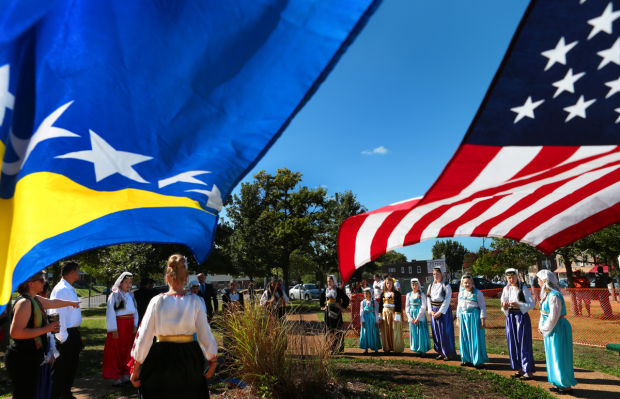
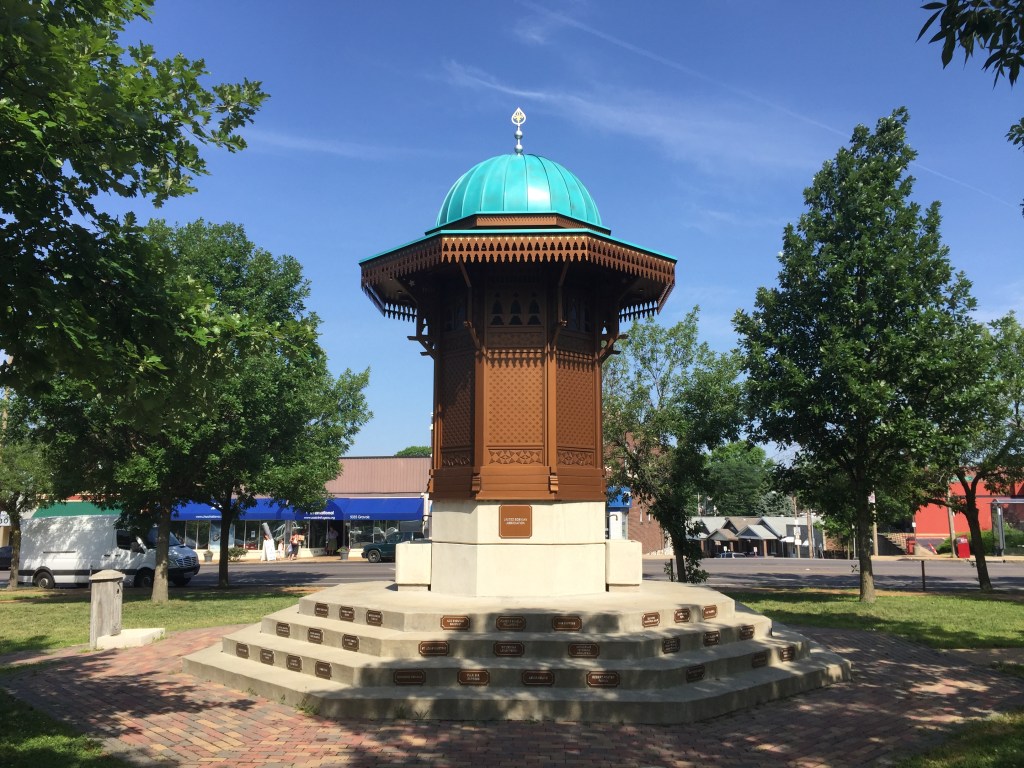
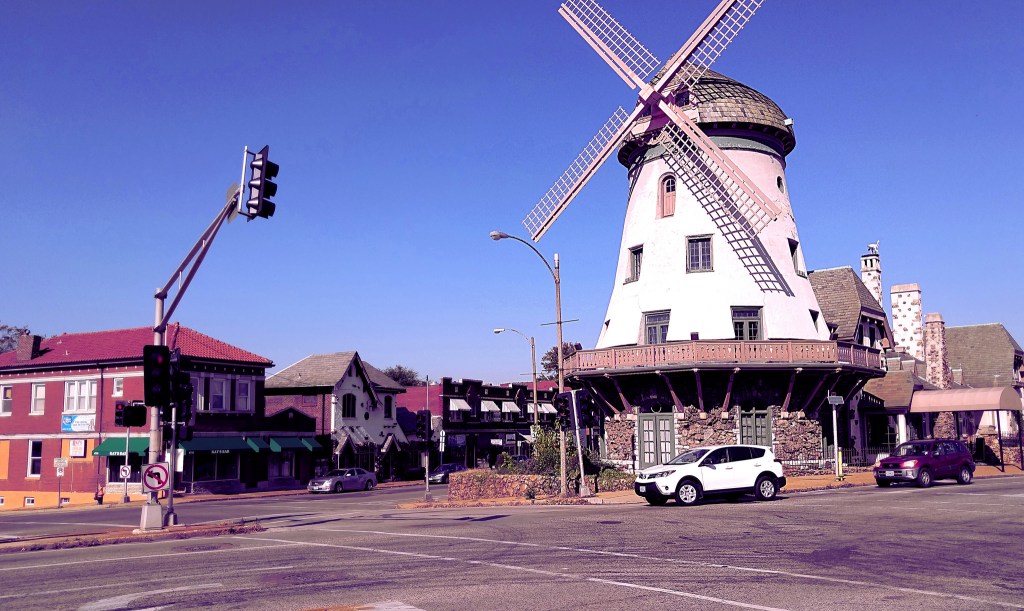
So when the Dragons come to town, this is not a neutral venue. This is one of the most pro-Bosnia crowds the national team will ever play in front of, anywhere in the world.
2013: Bosnia, Argentina, and a night at Busch Stadium
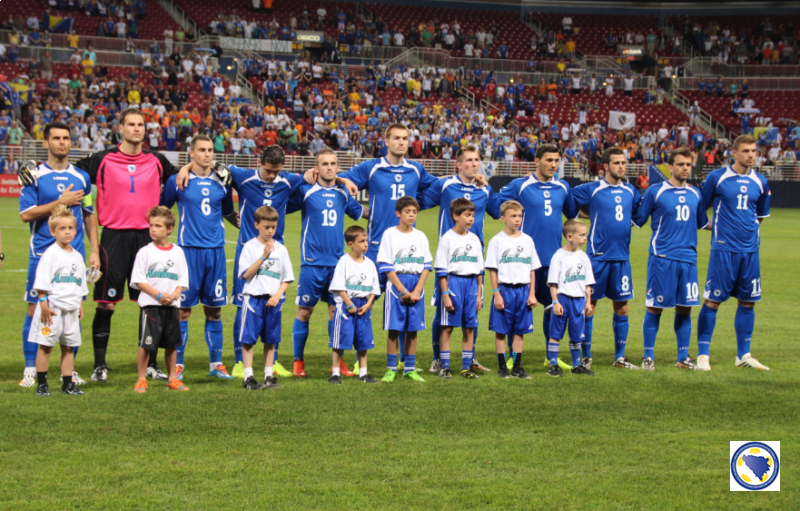
The first time the Dragons came to St. Louis was a celebration. On November 18, 2013, less than a month after sealing the country’s first-ever World Cup qualification with a win over Lithuania, Bosnia walked into Busch Stadium to face Argentina. It was the team’s first match as a qualified World Cup nation. And the diaspora made it a coronation.
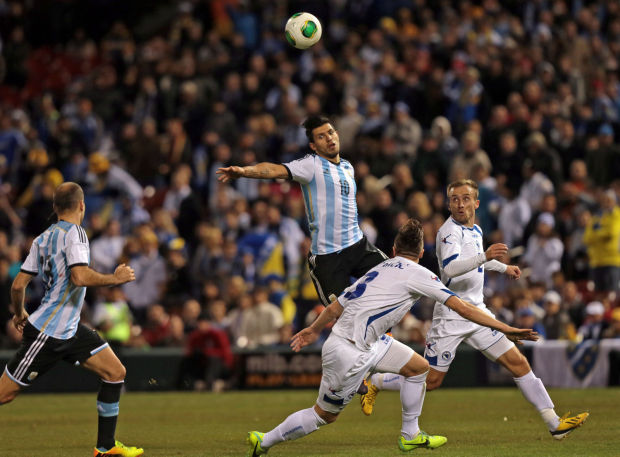
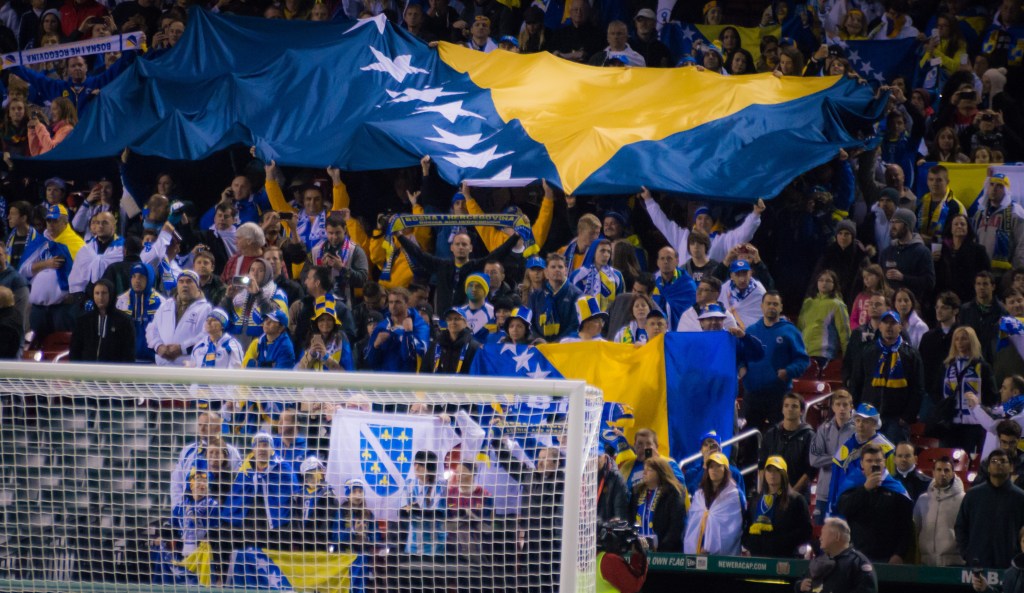
Bosnians arrived from across the country. From Chicago, from Detroit, from Phoenix, from New York. The Cardinals’ home, normally built for baseball, was reshaped into a soccer ground. Bosnian flags draped over the railings. Chants of “Bosna! Bosna!” rolled down from the upper deck. Smoke flares lit up the bleachers. Argentina’s starters were booed at every corner kick. When the Bosnian lineup was announced, every name got a roar. Tens of thousands of Bosnian Americans turned a friendly into a home match thousands of miles from home.
Argentina won 2-0 on a brace from Sergio Agüero. Lionel Messi, the man the match had been built around, missed it through a hamstring injury. But the result barely mattered. As one Bosnian player said afterward, the team had made the people who lived so far from home feel close to it again. That was the point.
Vedad Ibišević and the St. Louis homecoming
If the 2013 Busch Stadium match had a main character, it was not Messi. It was Vedad Ibišević.
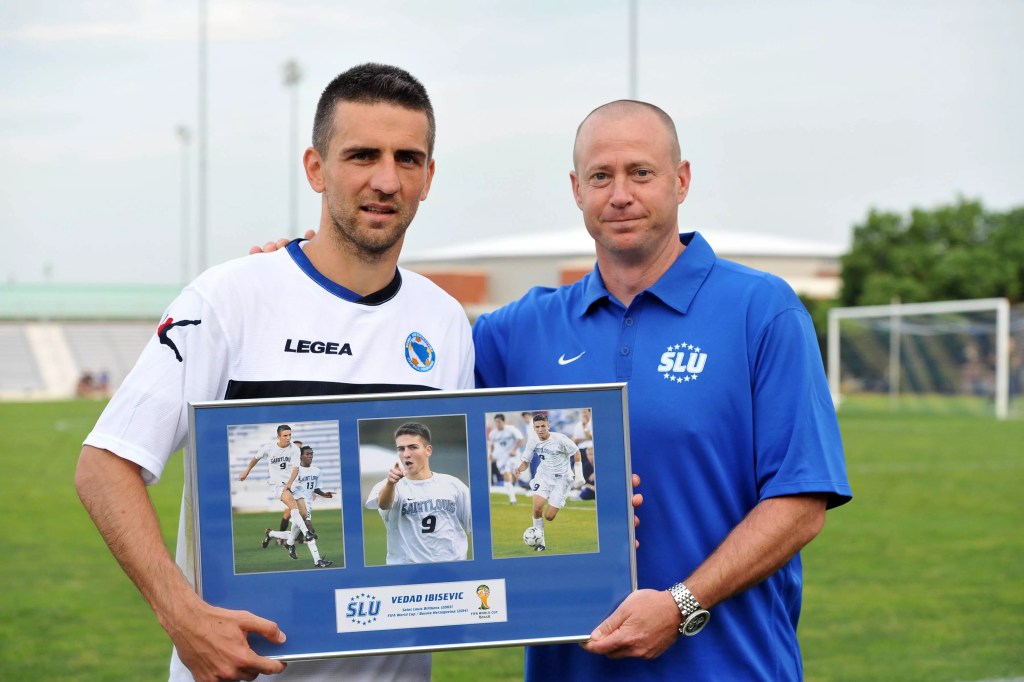
Bosnian American fans know the story. Ibišević was born in Vlasenica, in eastern Bosnia. His family fled the war and eventually settled in St. Louis, where his parents still live to this day. As a teenager he played for Roosevelt High School. He went on to play college soccer at Saint Louis University, lighting up the NCAA at Hermann Stadium before launching a professional career that took him to Paris Saint-Germain’s youth setup, then France, then Germany. He became one of Bosnia’s most beloved international strikers, the kind of player whose name draws an instinctive cheer from anyone who has ever pulled on a Bosnia jersey.
And it was Ibišević who scored the goal that changed everything for Bosnian football. On October 15, 2013, in a qualifier against Lithuania in Kaunas, Ibišević scored the only goal of the match. That goal sent Bosnia and Herzegovina to its first ever FIFA World Cup. A St. Louis kid had punched his country’s ticket to Brazil.
Five weeks later, the team came to his city. Ibišević walked onto the Busch Stadium pitch wearing the colors of the country he had carried over the line. In the stands were the people he had grown up among. It is hard to overstate what that night meant. For Bosnian Americans, it was the moment the diaspora and the homeland met in one place, in one stadium, in one jersey, in one man.
2014: The Dome, Ivory Coast, and the road to Brazil
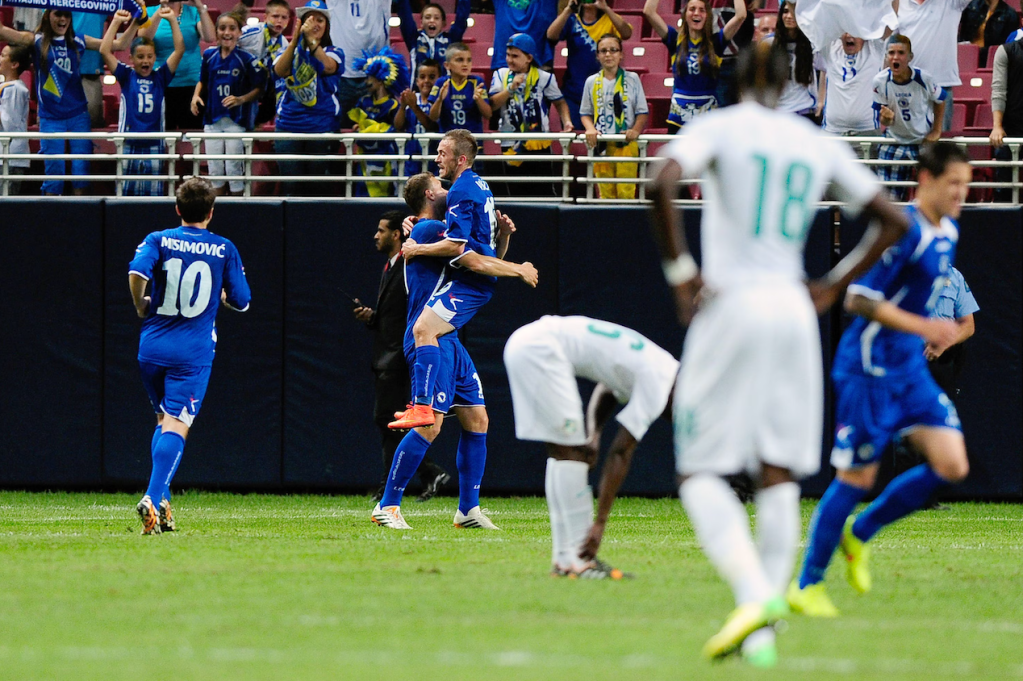
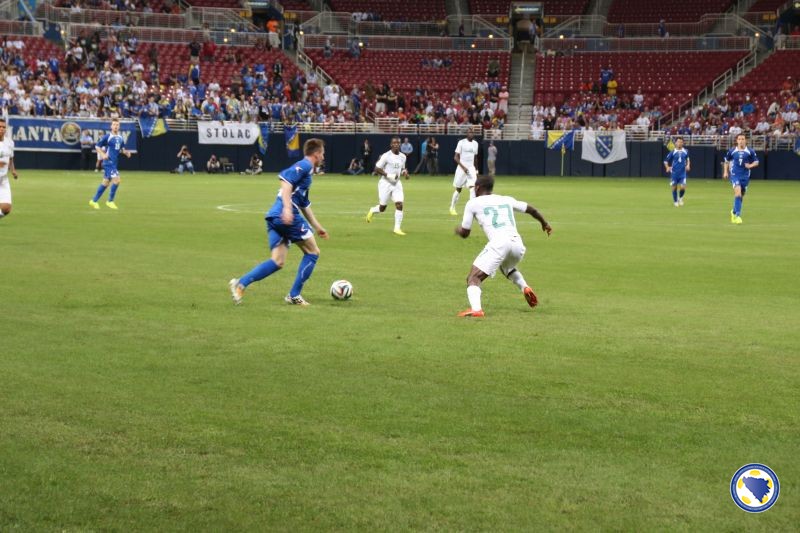
A few months later, the Dragons came back. On May 30, 2014, Bosnia faced Ivory Coast at the Edward Jones Dome in their final tune-up before flying to Brazil for the country’s first World Cup.
The Dragons won 2-1. Edin Džeko scored twice, once in the 17th minute and once in the 53rd, before a 36-year-old Didier Drogba pulled one back in stoppage time. The attendance was smaller than the Argentina match, but the energy was if anything more intense. Drums beat through the whole 90 minutes. Smoke flares went up behind the Ivorian goalkeeper. The Bosnian section out-sang a half-empty stadium. The city showed up the way only St. Louis shows up.
2026: The Dragons earn their second World Cup
To understand how big this June 6 match is for St. Louis, you have to understand how Bosnia got to the World Cup at all.
The Dragons finished second in their qualifying group behind Austria, missing automatic qualification and dropping into the European playoffs. In the semifinal, they traveled to Cardiff to face Wales. Trailing late, Edin Džeko, the 40-year-old captain and the country’s all-time leading scorer, found an equalizer in the dying minutes. Extra time settled nothing. Bosnia won the shootout 4-2 and advanced.
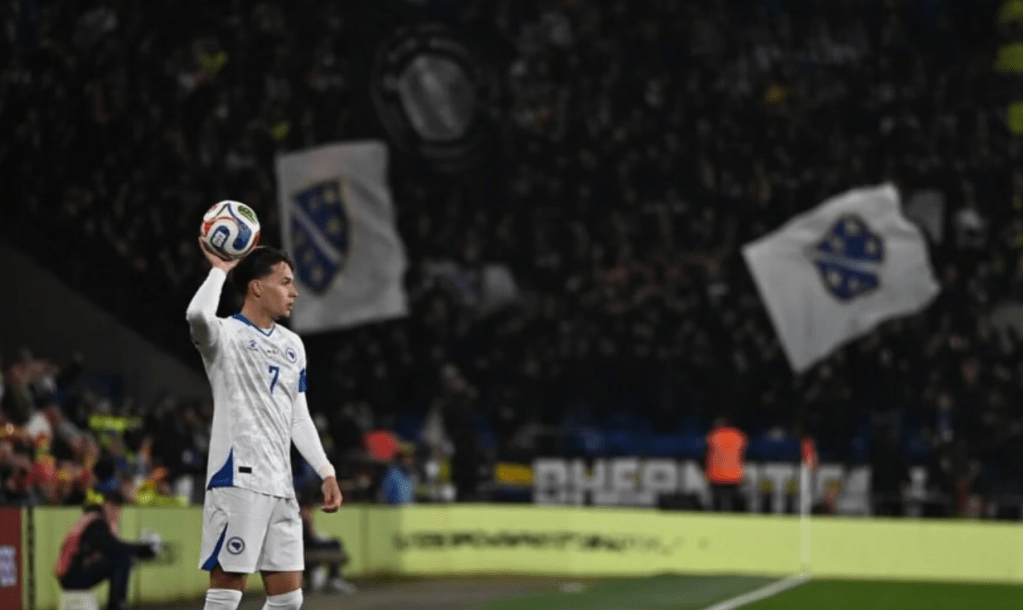
That set up a playoff final at home in Zenica against four-time world champions Italy. The Italians went up early through Moise Kean, but then collapsed after Alessandro Bastoni was sent off for a professional foul. Haris Tabaković equalized in the 79th minute. Extra time produced no goals. Then came the penalties. Italy missed two. Bosnia made every kick. And it was 21-year-old Esmir Bajraktarević, the PSV Eindhoven winger, who slotted the fourth and decisive penalty past Gianluigi Donnarumma to send Bosnia to the 2026 World Cup and send Italy home for a third straight tournament.
The country erupted. Flares went up over Sarajevo. Sergej Barbarez, the head coach and a former Bosnia international himself, was lifted onto his players’ shoulders. Within days, Bosnia became the first nation in the world to officially announce its full 26-player squad for the tournament.
Group B: Bosnia’s path through the World Cup
The Dragons have been drawn into Group B alongside co-hosts Canada, Switzerland, and 2022 World Cup hosts Qatar.
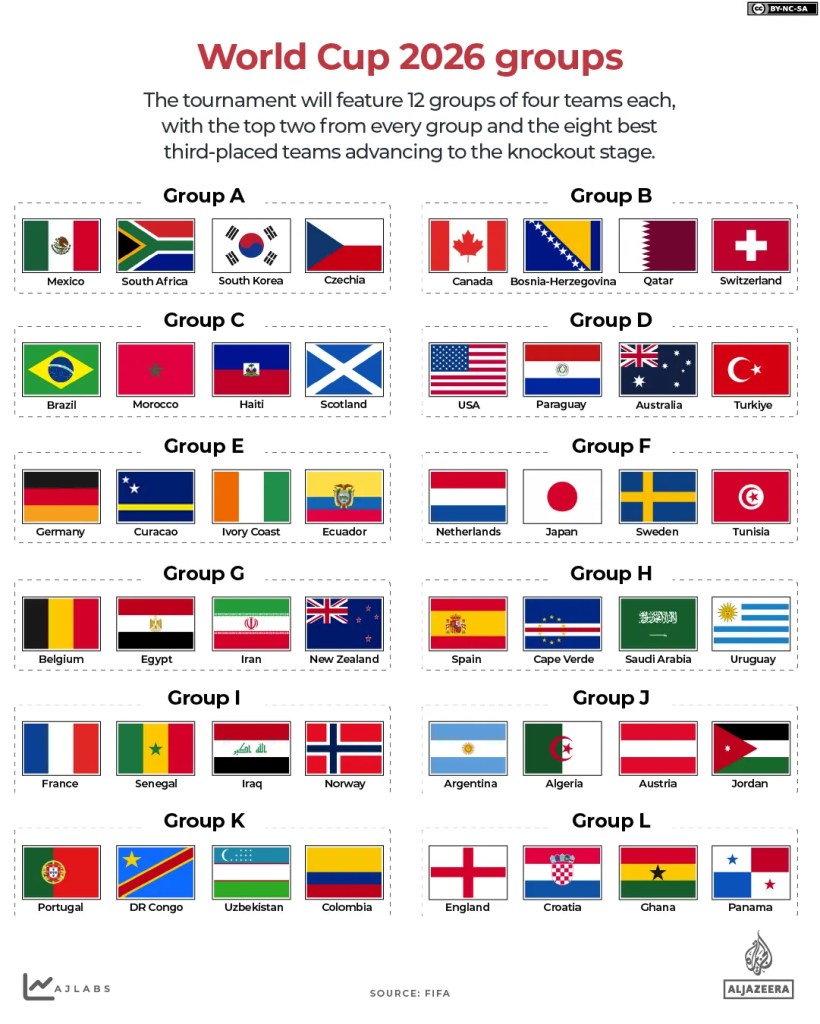
Bosnia opens its tournament on June 12 against Canada at BMO Field in Toronto, in front of what is sure to be one of the largest home crowds the co-hosts will play in front of. Six days later, on June 18, the Dragons travel to Inglewood, California to face Switzerland at SoFi Stadium, a match likely to decide the group. And on June 24, Bosnia closes out the group stage against Qatar.
To advance to the round of 16 for the first time in the country’s history, Bosnia will likely need to take points from at least two of those three matches. The path is steep. The squad is hungry. And Edin Džeko, at 40 years old, gets one more shot at a World Cup tournament.
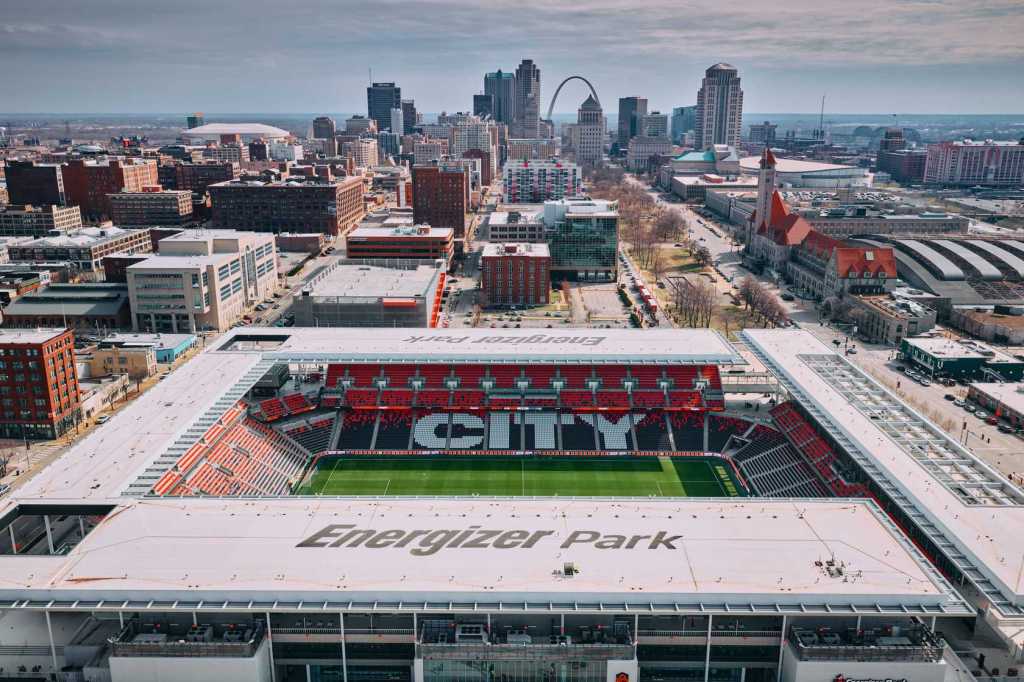
2026: Energizer Park and the road to a second World Cup
Bosnia’s return to St. Louis comes at one of the most exciting moments in the team’s history. The Dragons booked their place at the 2026 FIFA World Cup by knocking out four-time champions Italy on penalties in the European playoffs, with Bajraktarević scoring the winner and a 40-year-old Edin Džeko leading the way as captain and record goalscorer. Bosnia was the first nation in the world to officially announce its full 26-player World Cup squad.
The June 6 match against Panama is the team’s most significant US-based tune-up before the World Cup begins. Bosnia opens its tournament on June 12 in Toronto against co-hosts Canada, then travels to Inglewood, California to face Switzerland on June 18, and closes Group B against 2022 hosts Qatar on June 24.
The friendly at Energizer Park is more than a warm-up. It is the last chance for Bosnian American fans to see the team in person before the World Cup begins. It is a chance for younger Bosnian Americans who were toddlers in 2014, or not even born in 2013, to make their own memory of the Dragons on American soil. And it is a thank-you from the team to a city that has carried the flag for thirty years.
How to be there
Bring your scarf. Bring your flag. Bring your family. The Dragons are coming home.