
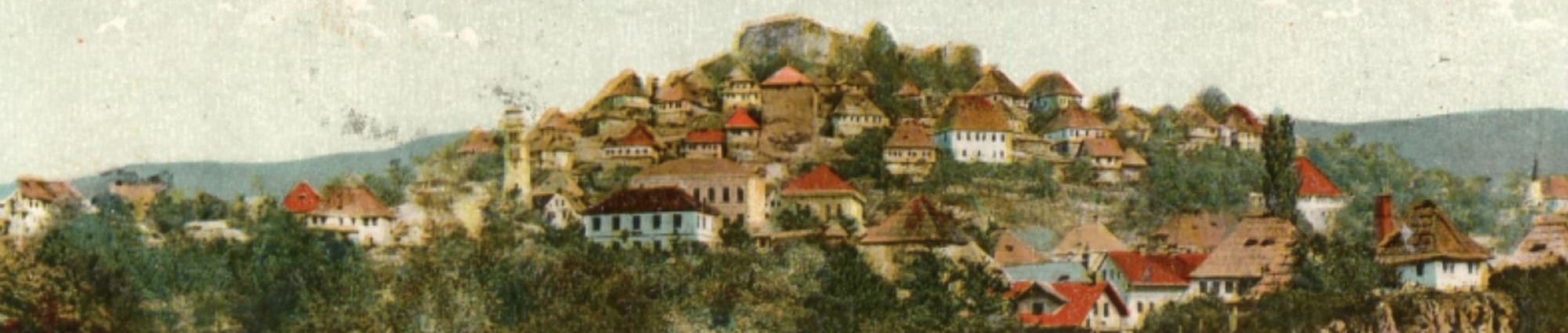

For nearly four years, from April 1992 to February 1996, Sarajevo endured the longest siege in modern European history. Encircled by artillery and snipers positioned in the surrounding hills, the city lived under relentless bombardment. More than 11,000 residents were killed. Streets became battlegrounds, schools moved underground, and cemeteries spread across football fields and parks.
Yet Sarajevo was never only a city of suffering. It became a stage where survival itself was an act of resistance. Its people lived, created, and even celebrated amid destruction, and in doing so captured the attention of the world.
Everyday Life in the Shadow of Death
Daily routines became rituals of courage. To fetch water meant crossing sniper alleys where gunfire picked off the unwary. Families cooked over stoves fed with broken furniture. Children studied in cellars by candlelight, their teachers determined that education would not vanish with the shelling.
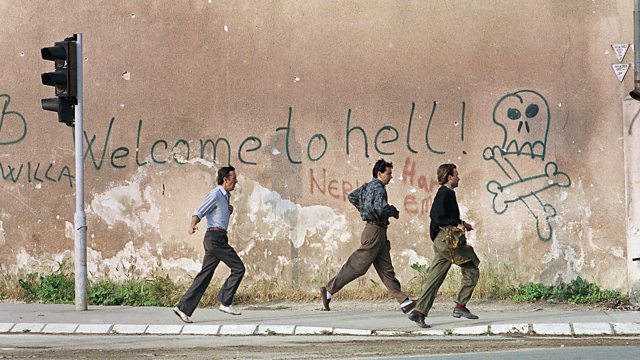
A survivor later remembered her father chopping up their dining table for firewood: “He said, we can always sit on the floor, but we cannot freeze.” Another recalled the way children adapted to danger: “We learned to run bent over, to wait for silence before stepping out, to listen for the whistle of mortars. It was a kind of childhood training.”
Defiance Through Culture
The siege did not extinguish Sarajevo’s cultural life. On the contrary, it inspired it. The city’s artists insisted on creativity as a form of survival. Concerts were held by candlelight in ruined halls. Plays were staged in basements. In 1994, the Sarajevo Film Festival was founded in the midst of bombardment, declaring that cinema could endure even in wartime.
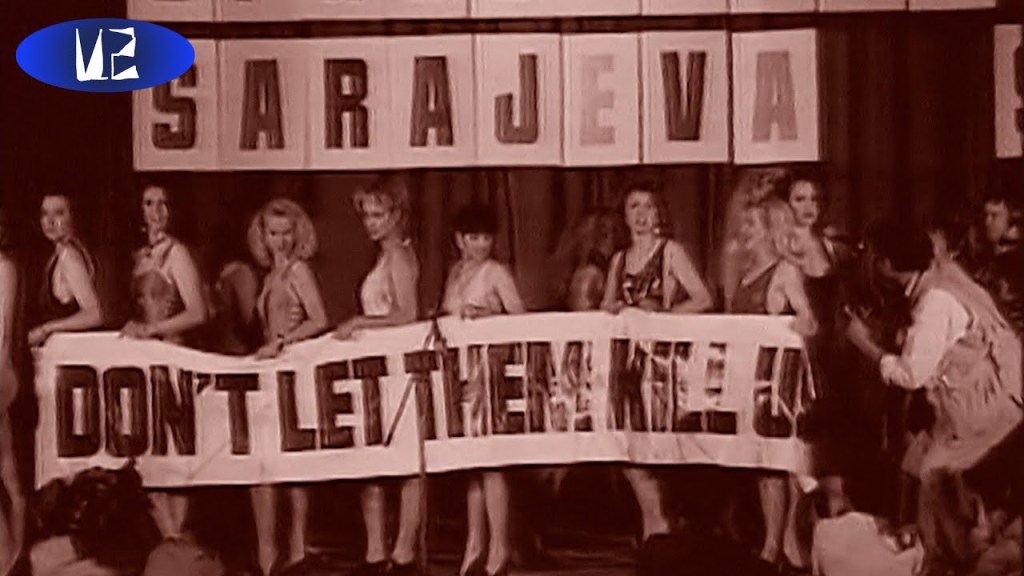
Perhaps the most extraordinary act of defiance came in 1993 with the Miss Sarajevo contest. Young women gathered in a basement club, wearing makeshift gowns, some fashioned from curtains or sheets. Above their heads shells exploded, but they stood together holding a banner that read, “Don’t let them kill us.” Images of the event, smuggled out to the world, struck a deep chord. The contest was later immortalized in a song by U2 and Brian Eno, which became an anthem for Sarajevo’s struggle.
One participant explained years later: “We were not celebrating beauty. We were showing that we were alive. That we wanted to live like everyone else.”
A City Watched and Unprotected
Sarajevo became the most visible city under siege in modern history. International journalists reported from the Holiday Inn hotel as mortars fell nearby. The world saw images of civilians sprinting across intersections under sniper fire, of children carrying water jugs, of funerals interrupted by shelling.

The coverage made Sarajevo a symbol of the war and of international paralysis. Governments condemned the violence but hesitated to intervene decisively. For many Sarajevans, the contradiction was unbearable. “We were the evening news,” one man recalled, “but still no one came.”

Memory and Meaning
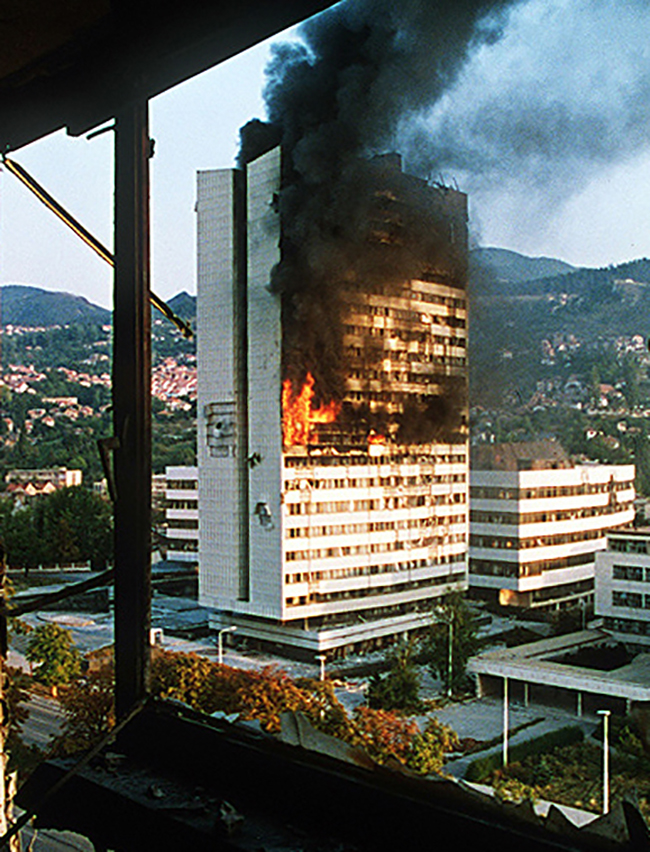
When the siege ended in 1996, Sarajevo was a city scarred but unbroken. Bullet holes pocked its buildings. Red resin filled craters where mortars had killed civilians, creating what became known as the Sarajevo Roses. Cemeteries spread across the hillsides, bearing witness to the cost of survival.
Yet memory of the siege is not only tragedy. It is also the story of endurance. From the makeshift schools to the Miss Sarajevo contest, from underground plays to film festivals, the people of Sarajevo refused to let war strip them of dignity.
Why Sarajevo Matters
The siege of Sarajevo was both a military campaign and a cultural moment. It revealed the cruelty of targeting civilians, but also the power of ordinary people to endure. It showed the reach of media in an age of global awareness, but also the limits of compassion when political will is absent.
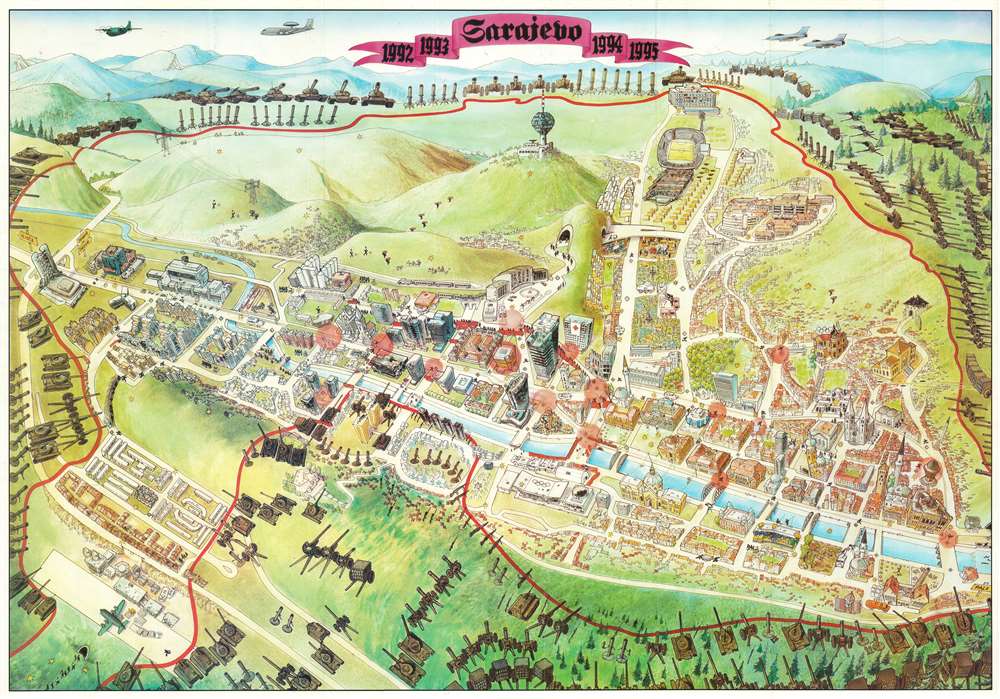
For Bosnia, Sarajevo remains a symbol of survival. For the world, it is a reminder that even in the darkest of times, life and hope persist. A city that was meant to be broken became instead a testament to resilience, and its story continues to echo across the landscape of modern history.
 Bosnian History
I really appreciate your post.
LikeLike