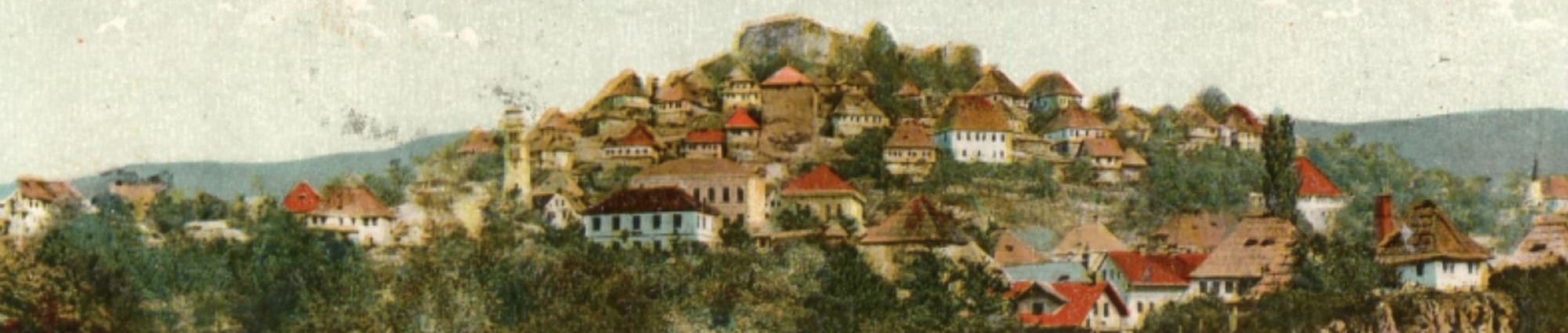
Seeing Bosnia Through Its People: How Old Photographs Preserve a Living History

History often arrives in the form of dates, battles, borders, and political turning points. But the truest record of who we are usually survives in quieter places: in family albums, studio portraits, wedding snapshots, market scenes, school photographs, and the small, unposed moments that rarely make it into textbooks.

The Bosnian Church: Heresy, Myth, or Misunderstood Tradition?

High in the mountains of Bosnia, medieval tombstones carved with crosses and strange motifs still stand in silence. For centuries they have been linked to a church unlike any other in Europe, remembered simply as the Bosnian Church. To outsiders it was a heresy. To Bosnians it was a faith of their own, rooted in the land and in the rhythms of everyday life. The clergy of this church lived humbly among the people, far removed from the grandeur of Rome or Constantinople. They mediated disputes, read scripture, and observed the sacraments, yet they refused subordination to distant hierarchies. This independence was enough to earn them suspicion, crusades, and condemnation. What survives suggests not a rebellion against Christianity, but a local tradition that was both recognizably Christian and distinctly Bosnian.

The Role of Steฤ‡ci in Bosniaโ€™s Environmental Landscape

Steฤ‡ci, the monumental medieval tombstones scattered across Bosnia and Herzegovina, are more than just relics of the past. These enigmatic stone markers, dating between the 12th and 16th centuries, not only serve as historical and cultural artifacts but also offer valuable insights into the relationship between human civilization and the natural environment. The placement, materials, … Continue reading The Role of Steฤ‡ci in Bosniaโ€™s Environmental Landscape

The Rise and Fall of Medieval Bosnia (1180โ€“1463): A Forgotten Kingdom of the Balkans

The medieval history of Bosnia spans from 1180 to 1463, a period marked by territorial expansion, economic prosperity, political maneuvering, and religious complexity. Despite being overshadowed by neighboring powers like Hungary and Serbia, Bosnia developed a unique identity and, under the Kotromanic dynasty, rose to prominence as a kingdom in the Balkans. This article explores … Continue reading The Rise and Fall of Medieval Bosnia (1180โ€“1463): A Forgotten Kingdom of the Balkans

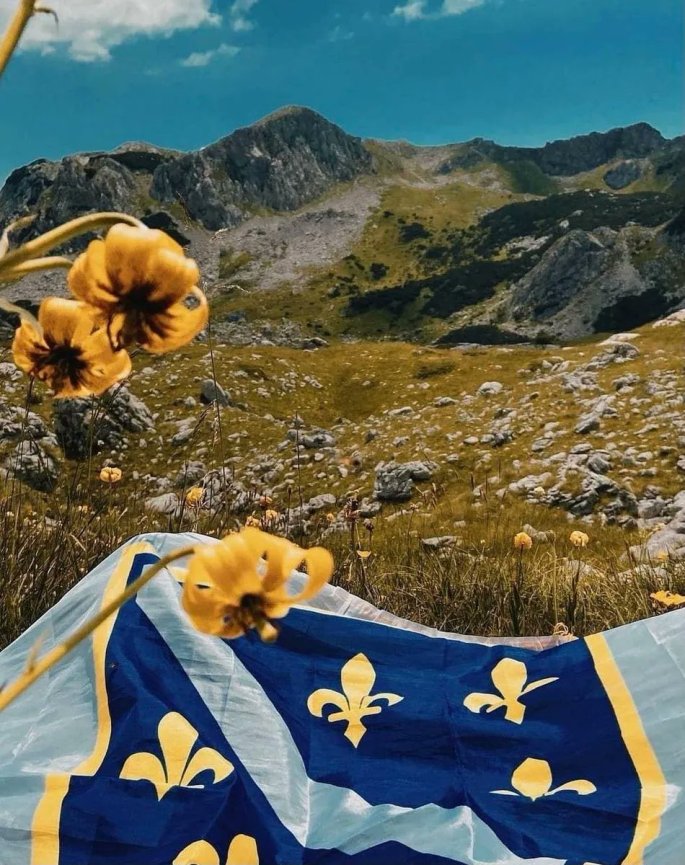
Lilium Bosniacum: The Bosnian Fleur-de-lis

Symbols are more than just images; they are vessels of memory and meaning. For Bosnia and Herzegovina, the fleur-de-lis stands as a poignant emblem of resistance, survival, and an unyielding spirit. This simple yet profound symbol has borne witness to centuries of struggle, emerging as a rallying cry against oppression and a testament to the … Continue reading Lilium Bosniacum: The Bosnian Fleur-de-lis

Early Bosnia: A Diverse Landscape and Historical Crossroads

Bosnia is a land defined by rugged terrain, from the dense forests and verdant pastures of central Bosnia to the arid, rocky expanses of western Herzegovina. Crisscrossed by largely unnavigable rivers, the region's geography has historically provided both refuge and isolation. Situated between key migration routesโ€”the Dalmatian coastline and the lowlands stretching from Belgrade through … Continue reading Early Bosnia: A Diverse Landscape and Historical Crossroads

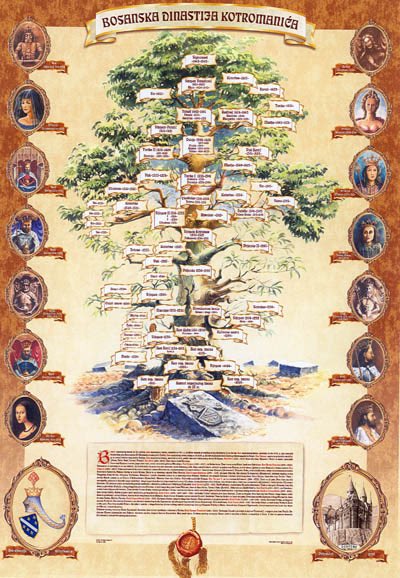
Understanding Bosnia’s Medieval Monarchs: The Kotromaniฤ‡ Family

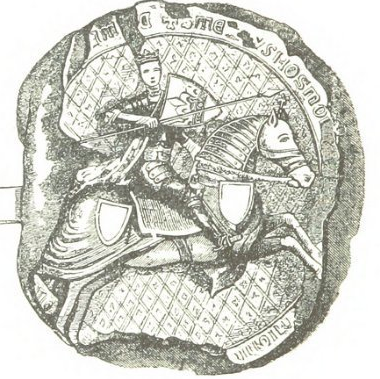
Unveiling the Past: The Kotromaniฤ‡ Dynasty of Bosnia Discover the rich tapestry of Bosnian history as we explore the Kotromaniฤ‡ Dynasty, which stood as the proud custodian of Bosnia's sovereignty for over a thousand years. From their mysterious beginnings to their formidable rulers like Queen Jelena Gruba, delve into a saga of medieval might, architectural marvels, and enduring legacy. Join us on bosnianhistory.com for a journey into the heart of Bosnia's royal heritage, where history comes alive through the echoes of the past.

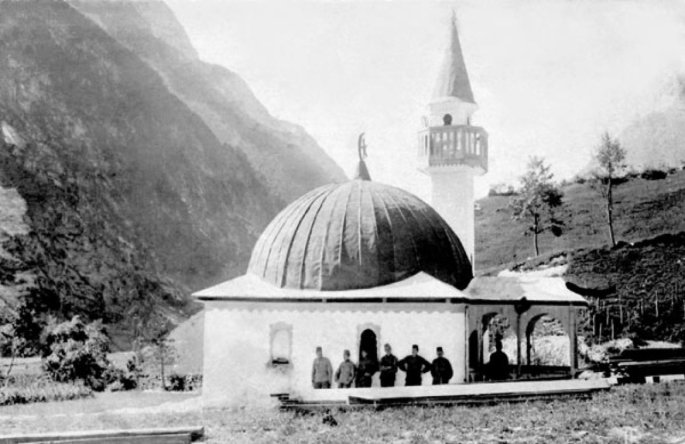
The Lost Mosque of Log pod Mangartom: A Testament to Bosnian History in Slovenia

Hidden in the picturesque setting of Log pod Mangartom, a small Slovenian settlement, stood an ethereal edifice reflecting a significant fragment of Bosnian heritage โ€“ a mosque. Its quaint and charming architecture held a unique touch of Herzegovinian origin, manifested in the form of its relatively small minaret, a striking similarity to the stone-built minarets of Herzegovina. Fashioned in wood and bathed in white, the mosque's actual dimensions remain shrouded in mystery.Hidden in the picturesque setting of Log pod Mangartom, a small Slovenian settlement, stood an ethereal edifice reflecting a significant fragment of Bosnian heritage โ€“ a mosque. Its quaint and charming architecture held a unique touch of Herzegovinian origin, manifested in the form of its relatively small minaret, a striking similarity to the stone-built minarets of Herzegovina. Fashioned in wood and bathed in white, the mosque's actual dimensions remain shrouded in mystery.

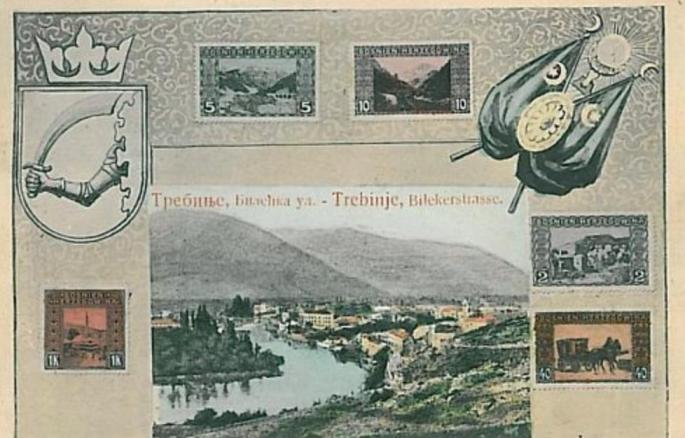
Trebinje: A Glimpse into Bosnia’s Rich Historical Tapestry

Discover the fascinating history of Trebinje, a captivating city in southeastern Bosnia and Herzegovina with a timeless charm. From its ancient Illyrian roots to the Roman, Byzantine, and Ottoman empires that left their mark on the city's architecture and culture, Trebinje offers a glimpse into the rich historical tapestry of Bosnia. In our latest article, we delve into the city's past, exploring iconic landmarks such as the Klobuk Fortress, the Church of the Holy Trinity, and the Arslanagiฤ‡ Bridge. Join us on this journey through time, and learn how Trebinje has become a living testament to the diverse civilizations that have shaped its history. Click the link to read the full article and immerse yourself in the glorious Bosnian history of Trebinje!