
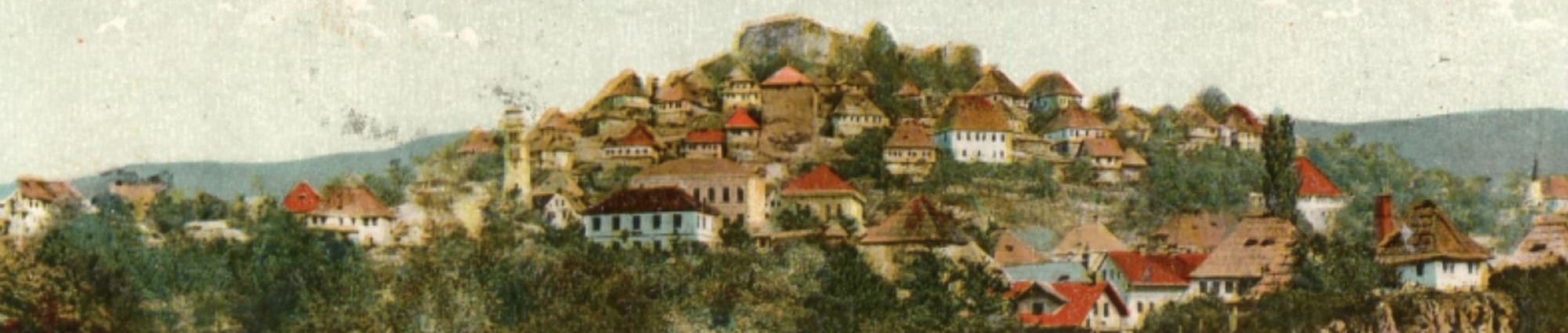
History often arrives in the form of dates, battles, borders, and political turning points. But the truest record of who we are usually survives in quieter places: in family albums, studio portraits, wedding snapshots, market scenes, school photographs, and the small, unposed moments that rarely make it into textbooks.
The archival photographs shared through BosnianHistory.com have traveled far beyond their original homes. They come from family boxes in Sarajevo, dusty frames found in Mostar attics, studio portraits saved by relatives in diaspora, and collections discovered across Europe and the United States. Each image tells a story, not only of a country, but of how ordinary people lived, loved, worked, dressed, and carried themselves across different eras.
This is history as lived experience, not as abstraction.
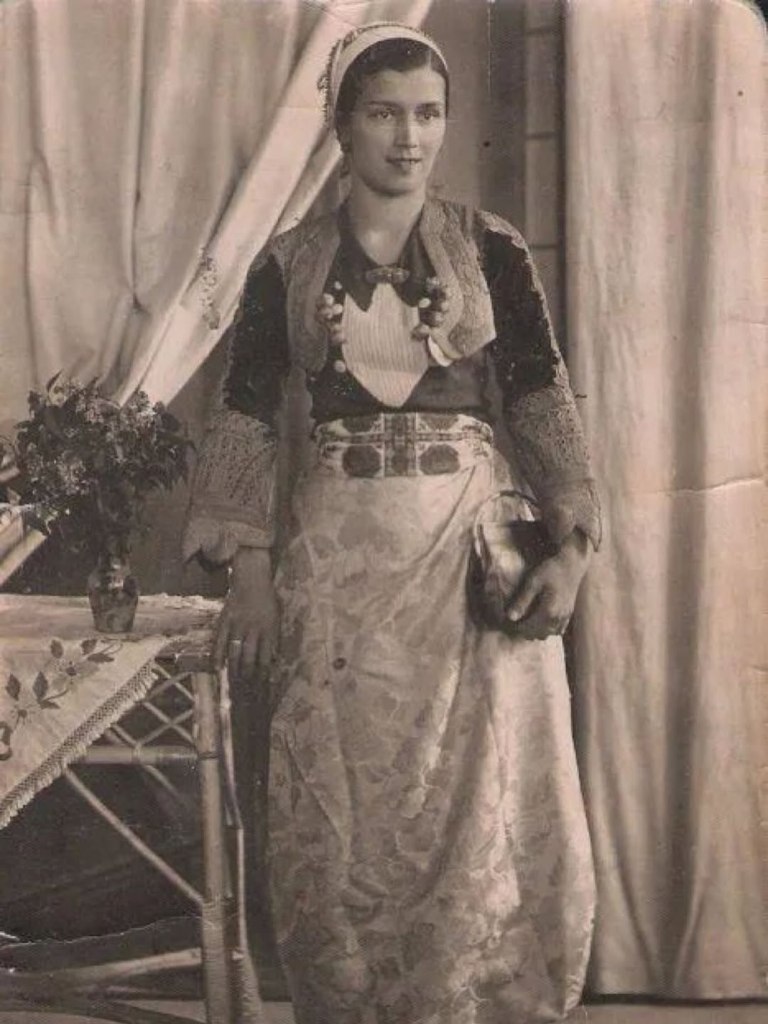
A Portrait of a Young Woman, 1952
One such photograph shows a young Bosnian woman standing in a studio portrait taken in 1952. She wears traditional clothing that reflects craftsmanship passed through generations: handwoven textiles, embroidered wool, and decorative details whose motifs vary from region to region.
She is anonymous to us, yet instantly familiar. Her expression holds a mix of formality and warmth, the way people often looked in portraits taken at a local photographer’s studio. Her clothing hints at cultural continuity, and her posture reflects the evolving aesthetics of mid-century Europe.
Images like this one help us understand Bosnia not through state archives or political speeches, but through people. They show how communities preserved their customs, how young people embraced both tradition and modernity, and how daily life looked in a country that would undergo enormous transformation in the decades ahead.
Why Everyday Photos Matter
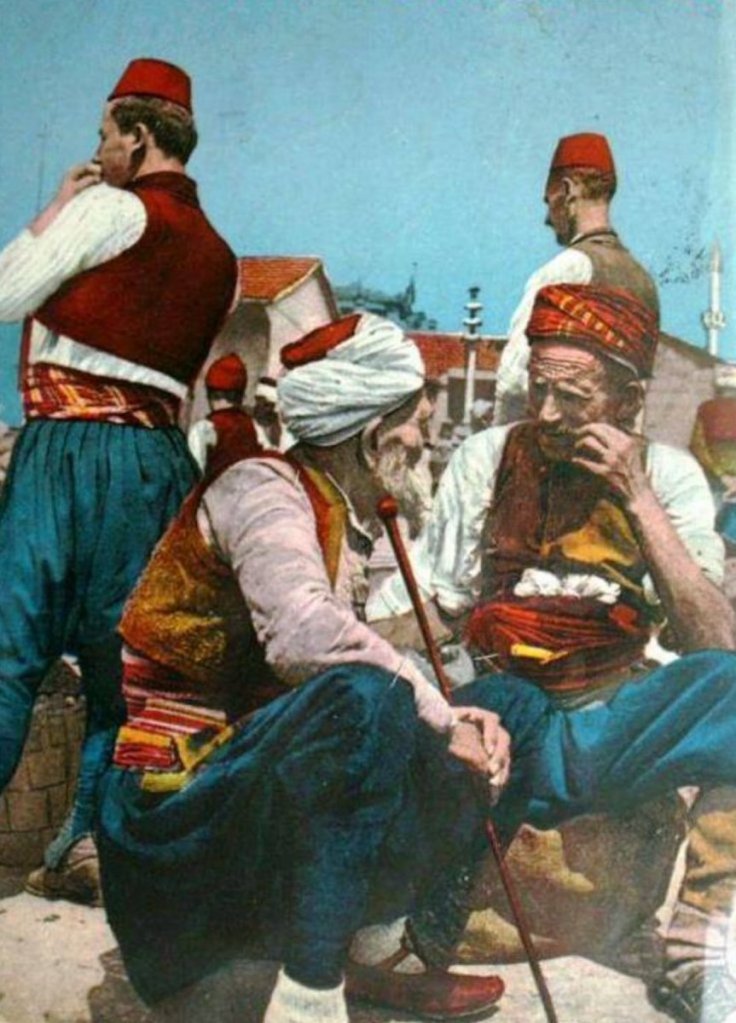
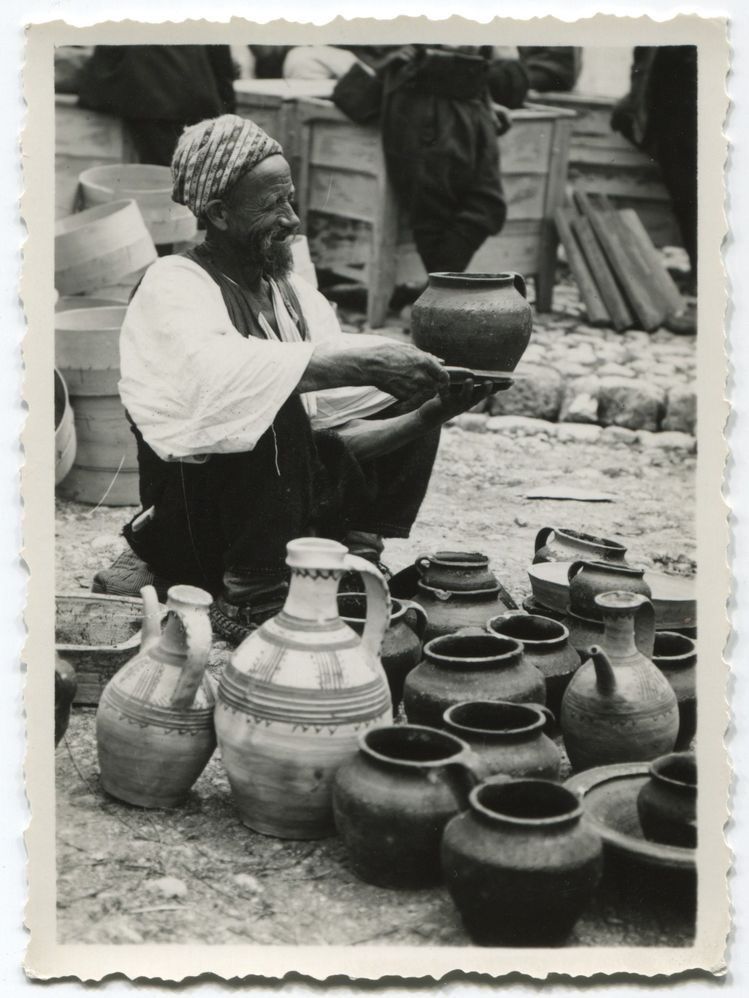
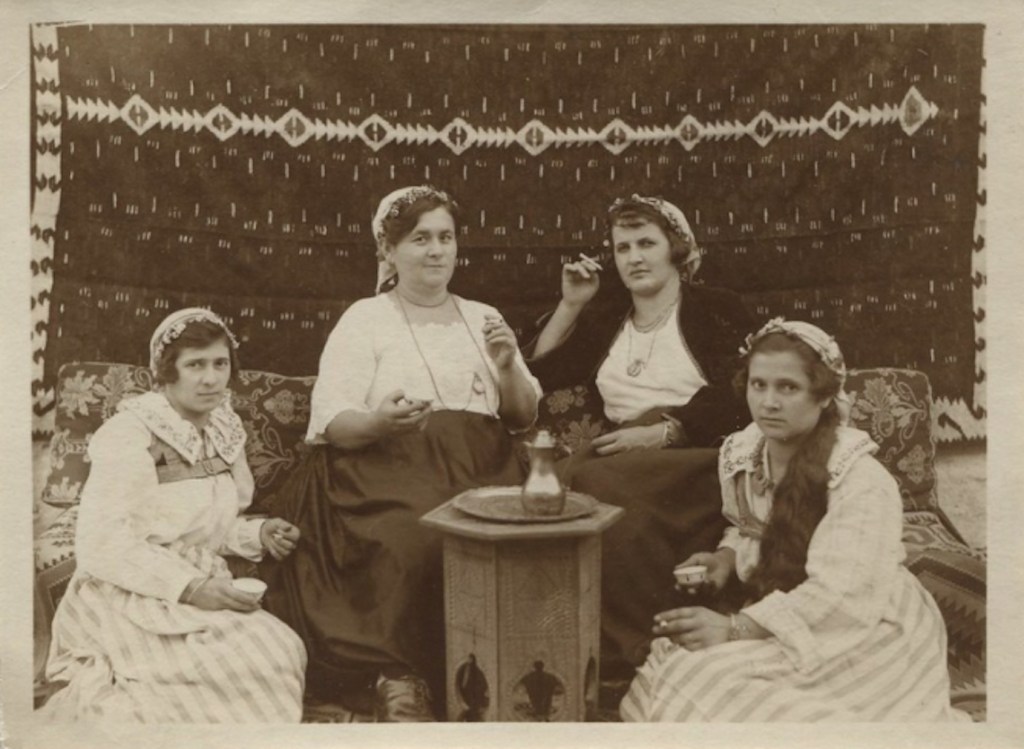
Photographs of ordinary people often reveal the most:
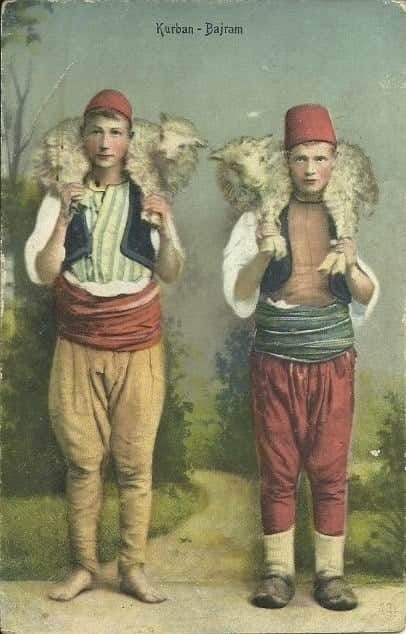
- Clothing as culture
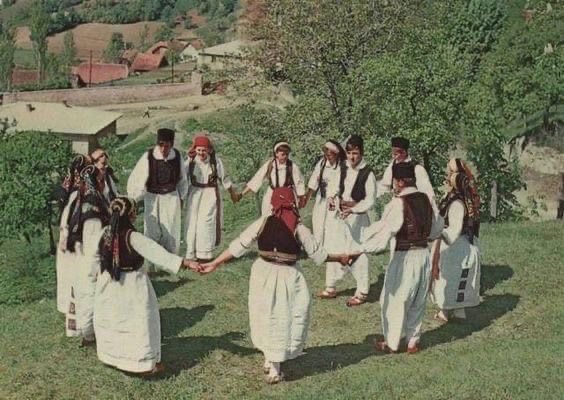
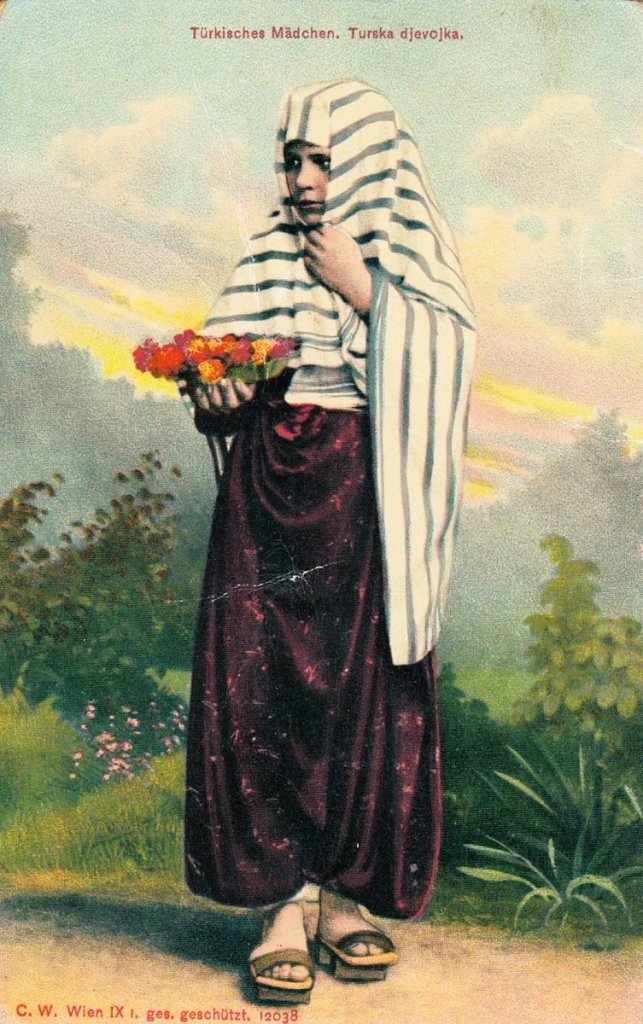
Traditional dress documents regional differences, family identity, and the evolution of craftsmanship. It shows how communities balanced heritage with modern influences, especially from the 1940s onward. - Social change in real time
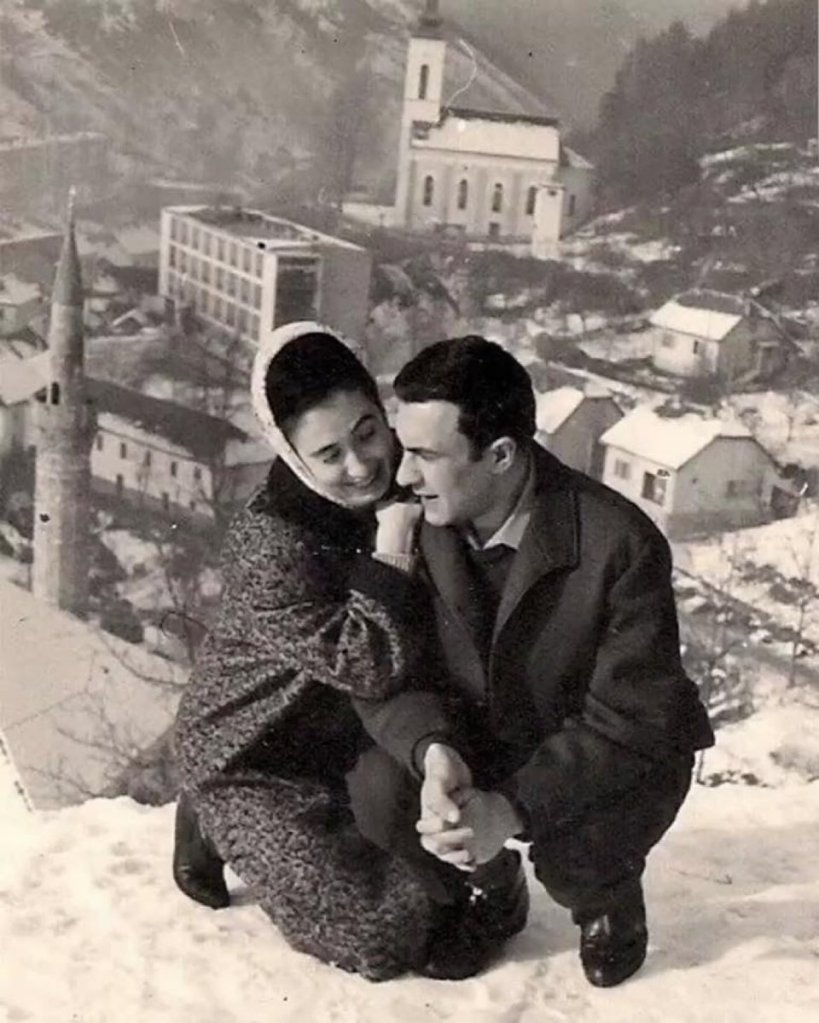
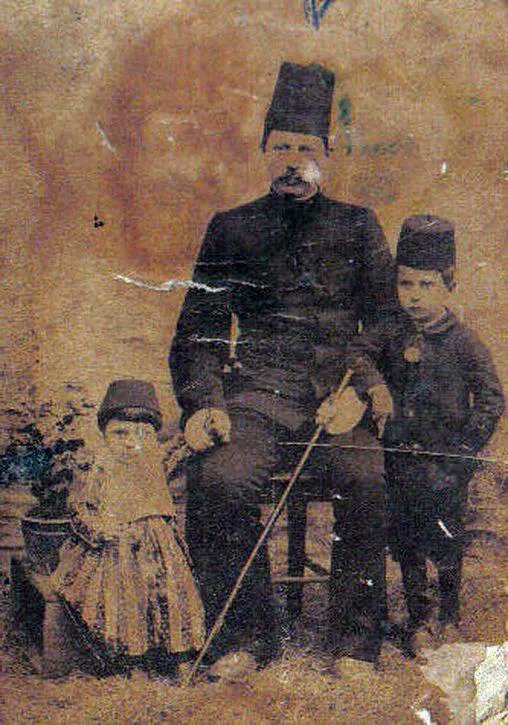
Studio portraits from the 1920s reveal a Bosnia embracing urban salons and new European styles. Photos from the 1960s show rapid modernization. Images from the 1970s capture a confident Yugoslav generation stepping into global culture. - The humanity behind history
Grand narratives can overshadow simple human experiences: childhood, parenthood, work, celebration. These everyday scenes remind us that history is built by ordinary lives, not just major events. - Memory preserved through diaspora
Many of the most powerful photographs shared today survive because families carried them across continents. They became touchstones of identity for people rebuilding their lives far from home.
A New Way of Learning History
Archival photos allow us to read the past in a different language, one made of details, gestures, expressions, and textures. They invite us to look closely, to imagine the world behind the frame, and to ask questions about the people we see and the time in which they lived.
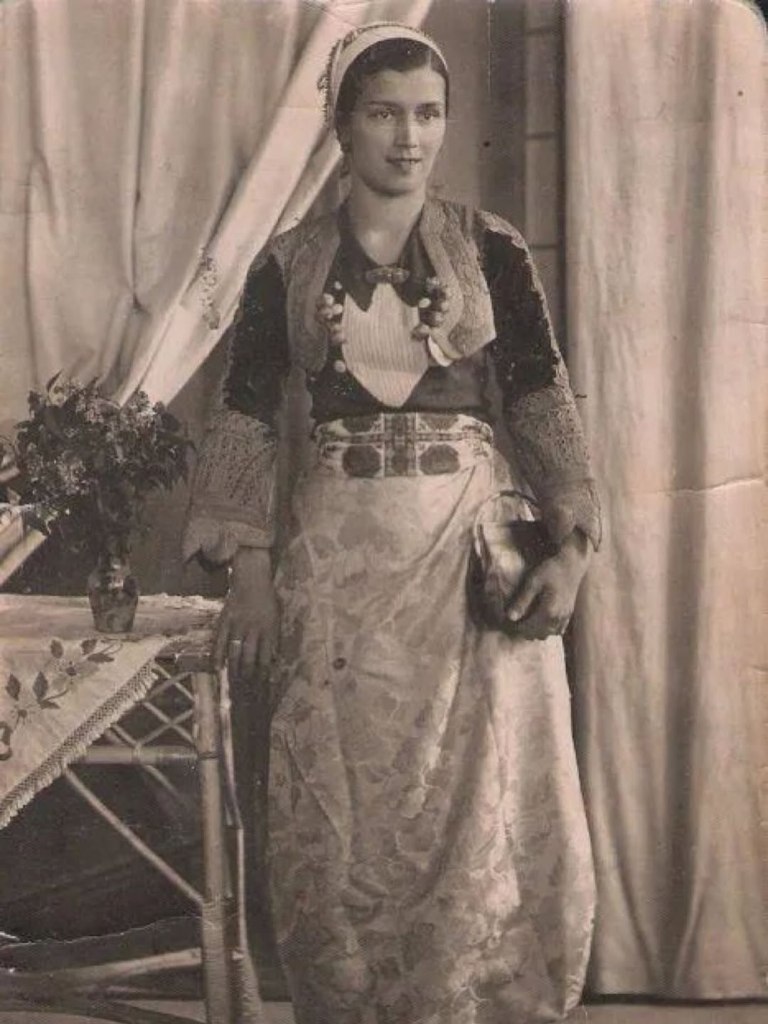
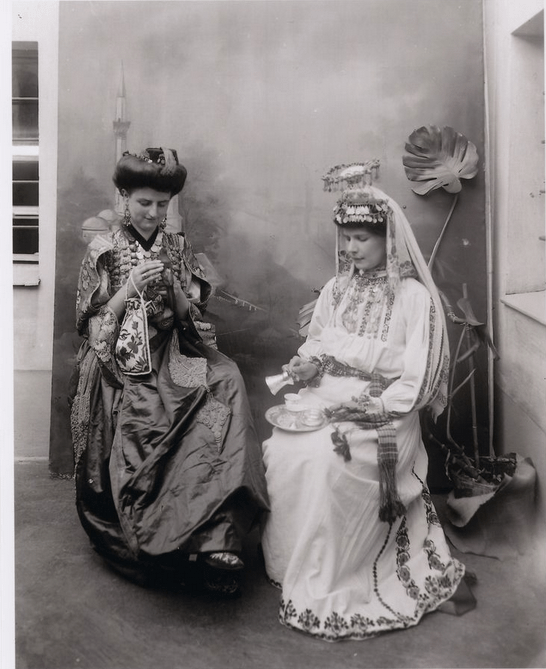
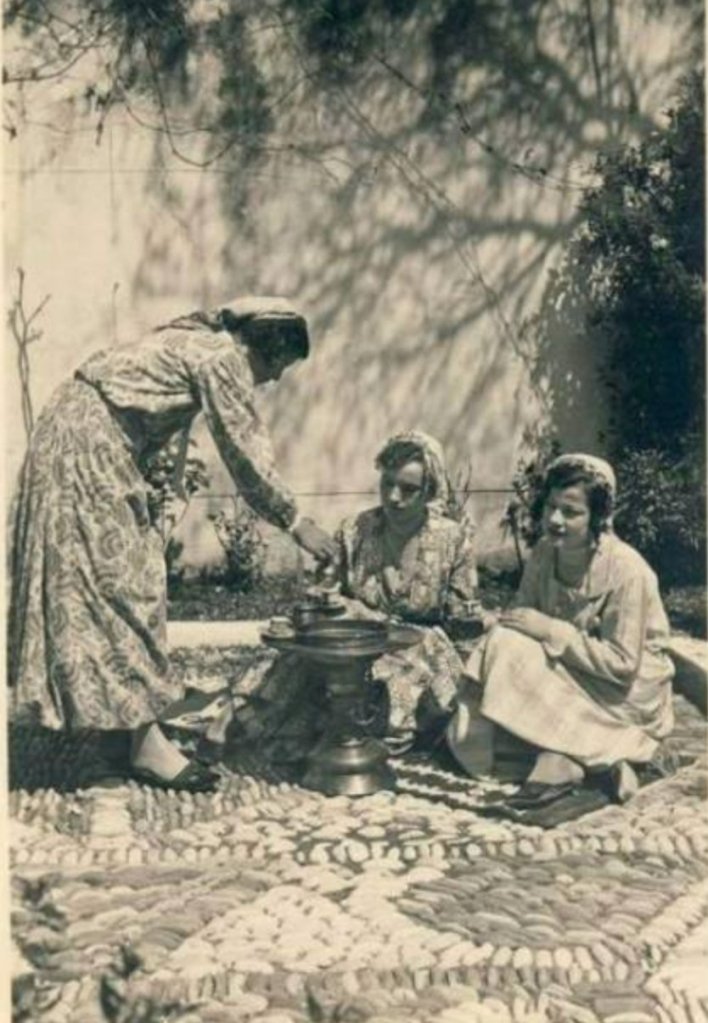
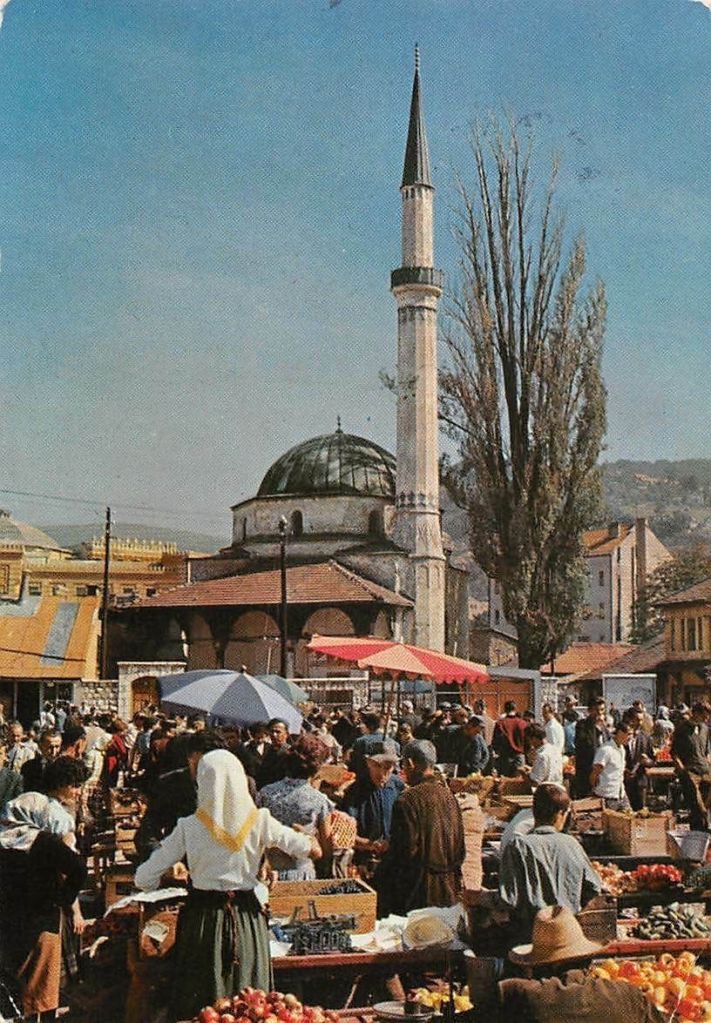

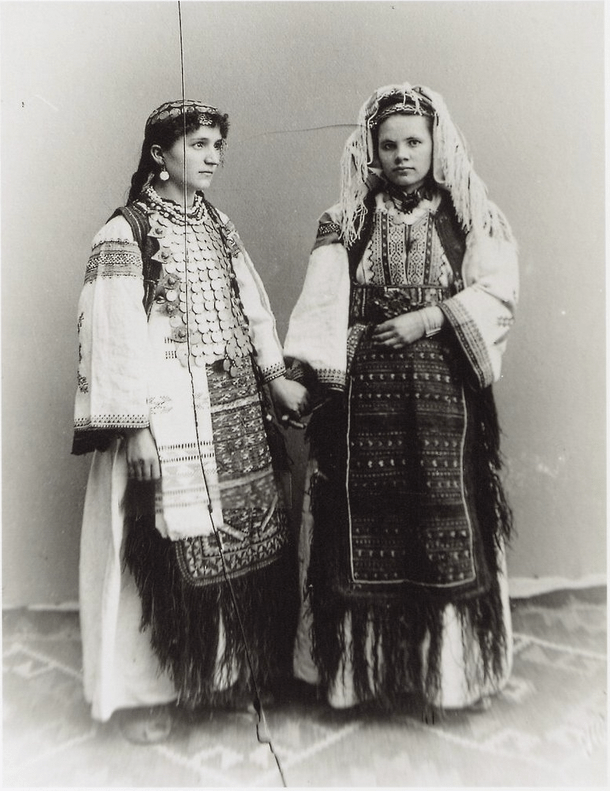
A girl posing in traditional dress is not just a beautiful old photo. She is evidence of generational knowledge, family pride, and the cultural richness of rural and urban Bosnia. She represents an era when photography was still rare, intentional, and often ceremonial.
Through her, we learn that history is not distant. It is personal.
The Value of Sharing These Images Today
In a world where misinformation spreads easily and historical memory is constantly challenged, preserving and sharing these photographs is an act of cultural protection.
They reinforce truth.
They humanize the past.
They connect generations.
They offer continuity in a narrative marked by displacement and loss.
Every shared photograph becomes part of a collective archive, one that grows with each new contribution.
How You Can Contribute
If you have photographs of your parents, grandparents, or great-grandparents, whether portraits, weddings, daily life, work scenes, military service, or school photographs, they are part of Bosnia’s living record.
BosnianHistory.com welcomes submissions. Together, we can build an archive that honors the full spectrum of Bosnian life: rural and urban, Muslim, Orthodox, Catholic, Jewish, Roma, and beyond. The country’s greatest strength has always been its diversity, and these photos help preserve that story in all its depth.
A Country Seen Through Its People
Large historical events will always matter. But photographs of everyday life tell us how those events were lived. They show us the faces behind the history, the people who carried culture forward, raised families, celebrated holidays, survived hardship, and built the Bosnia we know today.
This is why we share these images.
This is why they deserve to be seen.
And this is why they remain one of the most powerful ways to understand Bosnia’s past, one portrait at a time.
 Bosnian History