
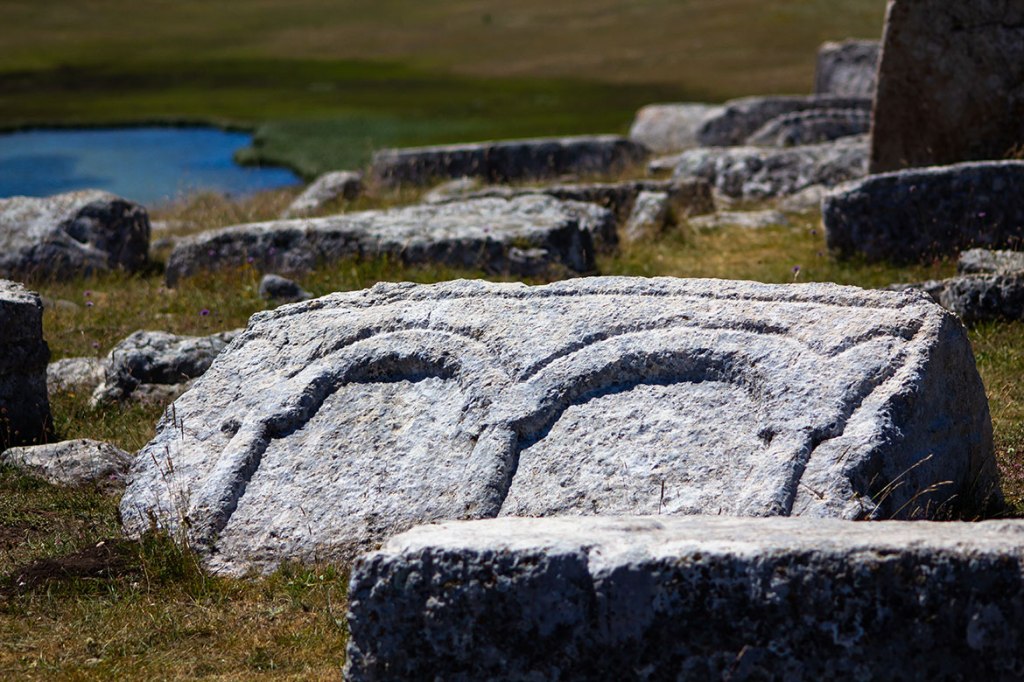
Stećci, the monumental medieval tombstones scattered across Bosnia and Herzegovina, are more than just relics of the past. These enigmatic stone markers, dating between the 12th and 16th centuries, not only serve as historical and cultural artifacts but also offer valuable insights into the relationship between human civilization and the natural environment. The placement, materials, and preservation of stećci illustrate the dynamic interaction between Bosnia’s medieval societies and their surrounding landscapes.
Stećci and Their Environmental Setting
Stećci are primarily found in limestone-rich regions, where medieval communities sourced local stone for their elaborate carvings. The choice of location was often dictated by geological and topographical factors. These tombstones are typically found in open fields, highland meadows, and hillsides, where the terrain allowed for both visibility and accessibility. Their presence in these landscapes suggests an intentional relationship with the environment, where communities sought natural spaces that reflected both spiritual beliefs and practical considerations.
The Ecological Impact of Quarrying and Craftsmanship
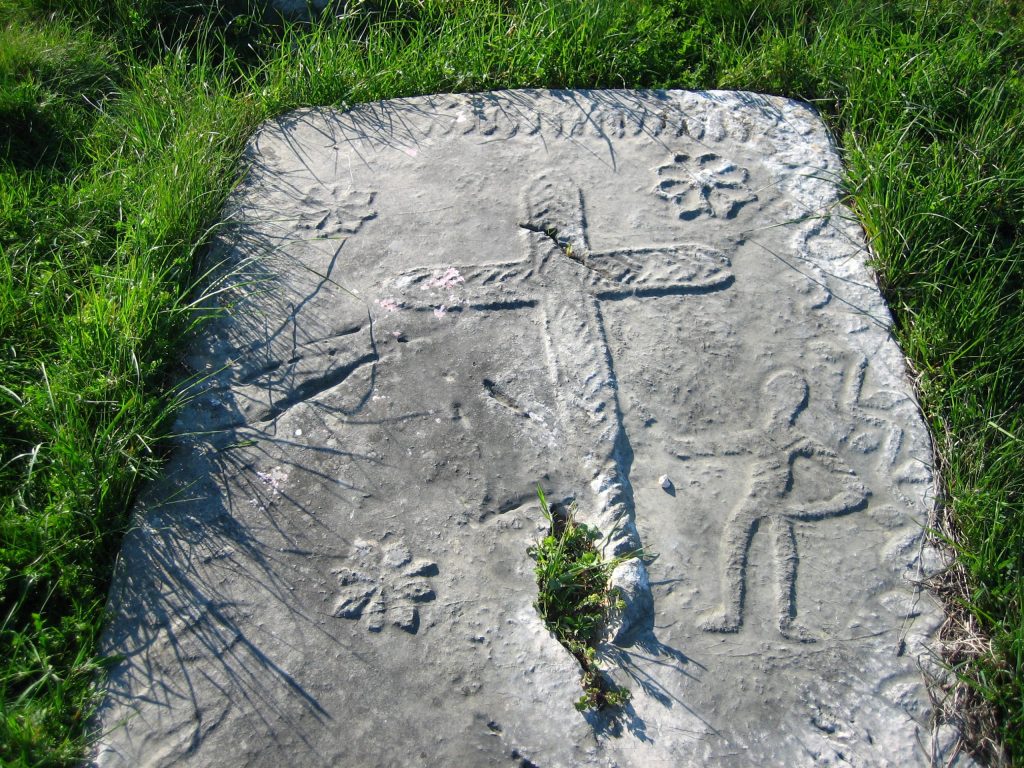
The production of stećci involved significant interaction with natural resources. Limestone, the primary material used, was quarried locally, shaping the terrain in subtle yet enduring ways. The craftsmanship required to carve intricate patterns—ranging from geometric designs to depictions of hunting scenes and religious symbols—depended on the skill of medieval masons who understood the properties of their environment. While quarrying may have led to localized environmental disruption, the longevity of these stones suggests that medieval Bosnians practiced a form of sustainable material use, carefully selecting and carving stone that could endure centuries of exposure to the elements.
Stećci as Indicators of Climate and Vegetation Change
Over the centuries, stećci have become natural markers of environmental change. Many are now partially covered by vegetation, reflecting shifts in land use and climate conditions. The expansion of forests and shifting weather patterns have influenced their preservation, with some sites being reclaimed by nature while others remain exposed in pastures still used for grazing. The gradual erosion of inscriptions due to wind, rain, and biological growth such as moss and lichen provides insight into centuries of climate trends in the region.

Stećci and Land Use in Medieval Bosnia
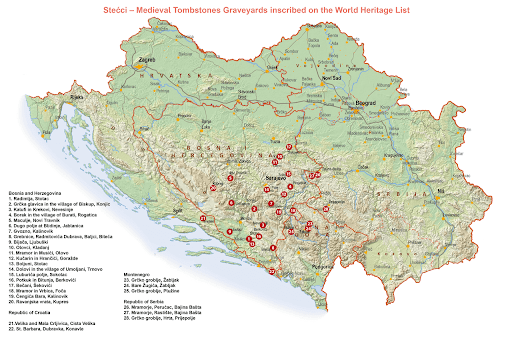
The distribution of stećci aligns closely with medieval settlement patterns, indicating land use practices that balanced agriculture, burial sites, and religious customs. Many necropolises are situated near historical roads or former settlements, suggesting an integrated approach to landscape management. The presence of stećci in grazing lands also highlights the coexistence of pastoral economies with burial traditions, reinforcing the idea that medieval Bosnians maintained a symbiotic relationship with their environment.

Modern Conservation Challenges
Today, stećci face multiple environmental threats, including urbanization, agricultural expansion, and climate change. Acid rain and pollution accelerate the erosion of carvings, while uncontrolled vegetation growth can lead to structural damage. Conservation efforts focus on mitigating these risks through site maintenance, protective legislation, and raising awareness about the cultural and ecological significance of these monuments.
Stećci are more than medieval tombstones; they are historical witnesses to Bosnia’s evolving environmental landscape. Their locations, materials, and conditions offer valuable insights into past land use, climate patterns, and sustainable practices. By preserving and studying these remarkable monuments, we not only protect an important part of Bosnia’s cultural heritage but also deepen our understanding of the country’s environmental history.

 Bosnian History