

Symbols are more than just images; they are vessels of memory and meaning. For Bosnia and Herzegovina, the fleur-de-lis stands as a poignant emblem of resistance, survival, and an unyielding spirit. This simple yet profound symbol has borne witness to centuries of struggle, emerging as a rallying cry against oppression and a testament to the resilience of a people determined to endure.
Historical Roots in a Proud Kingdom
The fleur-de-lis has its origins in Bosnia’s medieval past, during the reign of the Kotromanić dynasty. Under King Tvrtko I, Bosnia flourished as a powerful and independent kingdom. The fleur-de-lis graced the royal seals, flags, and coats of arms, signifying sovereignty, unity, and cultural vibrancy. It represented the aspirations of a kingdom that thrived at the crossroads of East and West, blending influences from both to create a unique identity.

This emblem was more than a decorative choice; it was a declaration of Bosnia’s autonomy and pride. In an era of competing empires and shifting allegiances, the fleur-de-lis was a unifying symbol for a diverse kingdom—a beacon of strength and distinctiveness that resonated across the region.
Survival Amid Conquest and Oppression
The Ottoman conquest in the 15th century marked a new chapter in Bosnia’s history, bringing sweeping cultural and religious changes. Yet, even as political systems shifted, the fleur-de-lis persisted. It survived not just as a historical relic but as a quiet reminder of a proud past. It appeared on tombstones, textiles, and jewelry, a subtle yet enduring symbol of identity.

The 20th century brought new challenges. During the Bosnian War of the 1990s, as the country faced genocide and unimaginable aggression, the fleur-de-lis reemerged as a powerful symbol of resistance. In the face of attempts to erase Bosnian identity, it became a rallying cry, representing defiance and survival. It adorned flags, uniforms, and banners, uniting a people determined to protect their homeland and preserve their culture. For many, it was more than an emblem; it was a statement of existence against those who sought to deny it.
A Symbol of Defiance and Unity
Today, the fleur-de-lis remains a potent emblem of Bosnia and Herzegovina. It is a symbol of resistance not only against historical oppression but also against the forces that continue to challenge the country’s unity and multicultural fabric. For Bosnians, both at home and in the diaspora, it is a link to a shared past marked by struggle and a future defined by hope and resilience.


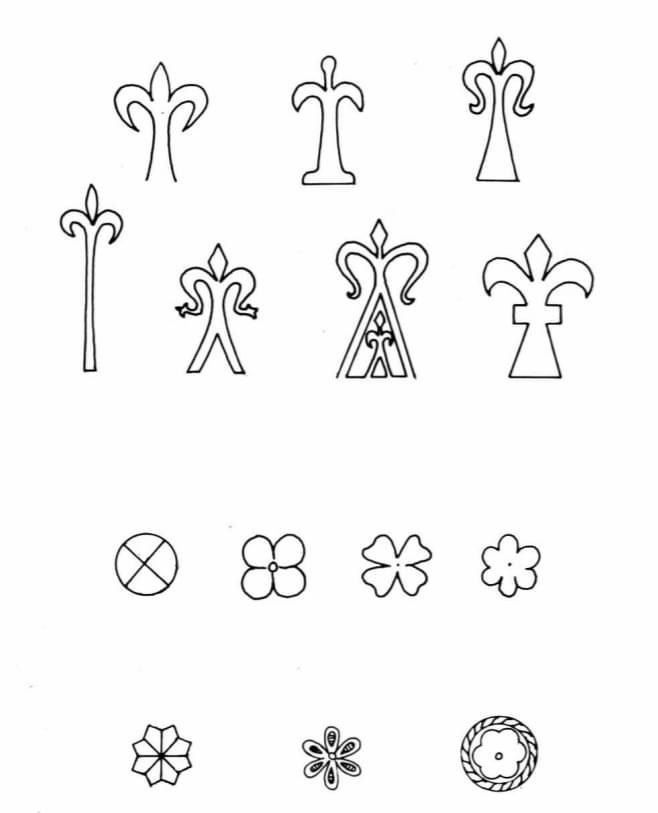

The fleur-de-lis represents more than national pride; it encapsulates Bosnia’s core values of coexistence, perseverance, and strength in diversity. In a world often divided by conflict and intolerance, it stands as a reminder of the enduring power of solidarity and resistance against hatred.

An Enduring Legacy of Strength
The Bosnian fleur-de-lis is not a relic of a bygone era but a living testament to the resilience of a people who have faced unimaginable trials. It has weathered wars, genocides, and attempts at cultural erasure, adapting and enduring through it all. Much like the Bosnian spirit, it continues to shine as a symbol of hope, defiance, and an unbroken will to survive.
In the fleur-de-lis, Bosnia finds a reflection of its soul—unyielding, deeply rooted, and steadfast in the face of adversity. It calls on us to remember the past, honor the sacrifices of those who came before, and strive for a future built on justice and peace.

 Bosnian History