
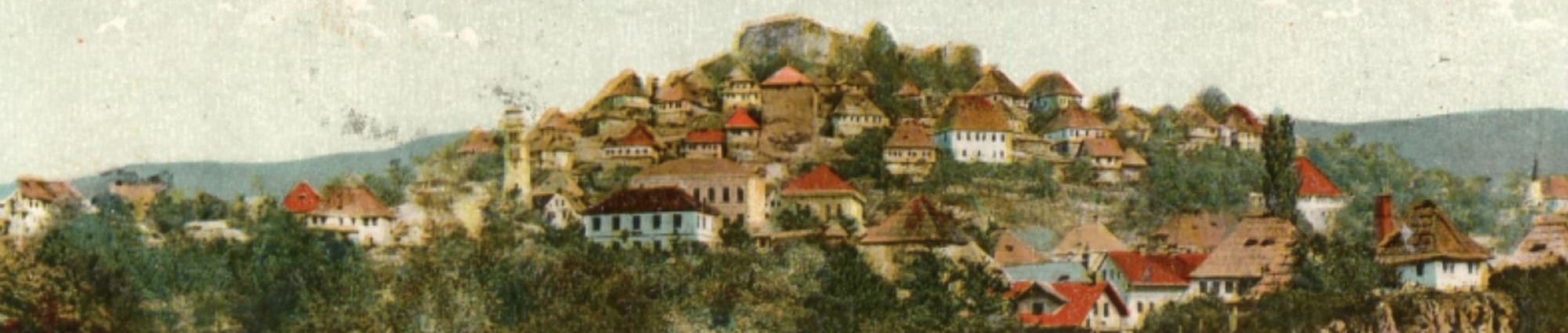
For over a millennium, Bosnia stood proudly as an independent state, replete with its own ruling dynasty, the Kotromanici. This illustrious line safeguarded Bosnia’s sovereignty, culture, and traditions until the Ottoman incursion in 1463. Their reign, deeply rooted in local origin, spanned from the nation’s inception to its medieval zenith.
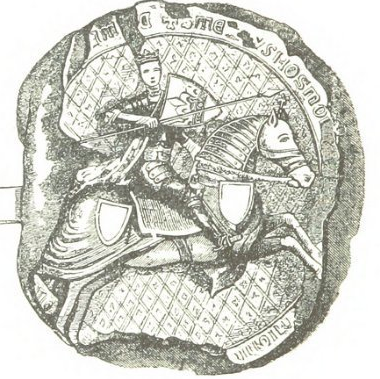
The Kotromanic legacy began anonymously with early leaders simply known as “Bosnian Bans.” By the 12th century, the records became richer, detailing the reigns of bans, kings, and queens, with King Tvrtko I’s ascension in 1377 marking Bosnia’s emergence as a kingdom. Notably, Queen Jelena Gruba, a rare female monarch in South Slavic history, exemplified the dynasty’s unique character.
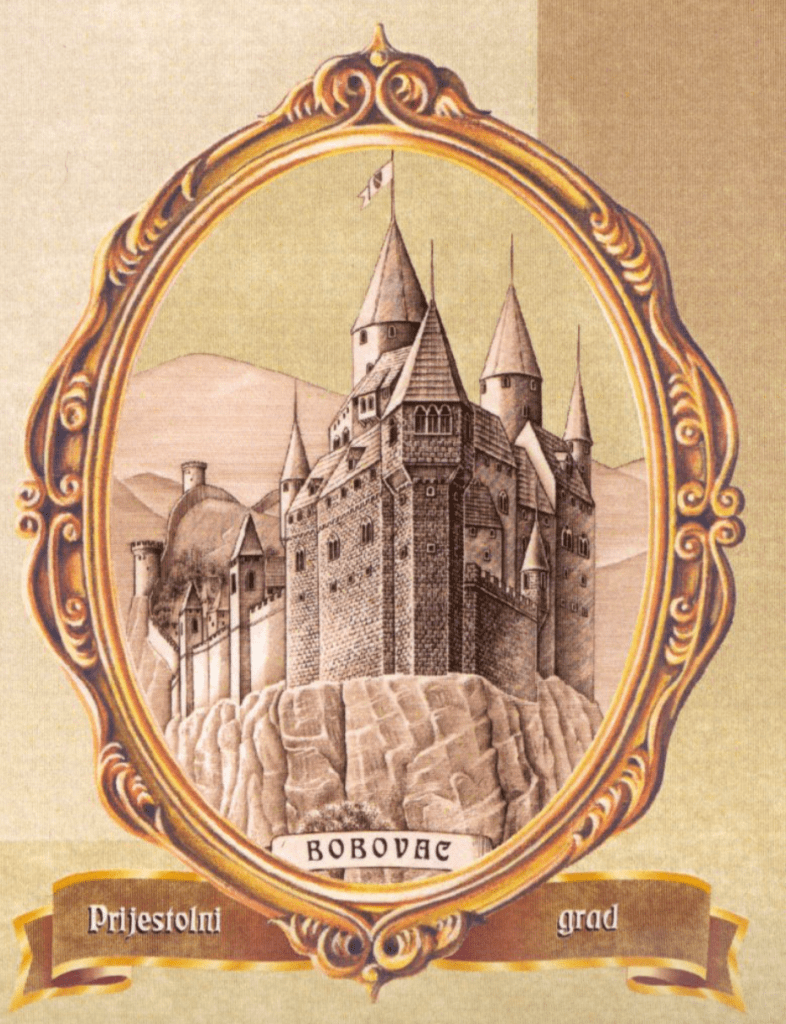
Initially centered in Moštre, the royal seat later moved to the formidable Bobovac fort, an architectural marvel nestled in the hills, its battlements and towers a testament to the era’s grandeur. The Kotromanic court was a hub of political and cultural influence, with ties extending across Europe’s royal houses.

Despite tumultuous times, the Kotromanićs left a tangible legacy, with mausoleums at Arnautovici and Bobovac sheltering royal remains, including King Tvrtko I. These sites safeguard treasures like Tvrtko’s ornately embroidered cloak, linking us to Bosnia’s storied past.
The swift Ottoman onslaught heralded a tragic end for the Kotromanic dynasty, with many, including King Stephen Tomaševic, meeting a grim fate. Yet, the memory of their rule, their edifices, and their impact endure, echoing through the ages.
 Bosnian History